The premium, or backwardation, on the near-term aluminium contract over the three-month benchmark on the London Metal Exchange hit its highest in five months on Tuesday at US$94 ($136.79) a tonne, buoyed by tight inventories.
Available aluminium stocks in LME-registered warehouses have declined by 51% since the US-Israeli war on Iran began in late February, disrupting shipments from the Middle East, which accounts for about 9% of global aluminium production.
Available aluminium inventories in LME-registered warehouses stood at 207,525 tonnes, their lowest since March 2025, daily data showed.
Stocks remain overwhelmingly Russian in origin, which many Western traders avoid. Russian aluminium accounted for 216,900 tonnes, or 99.98%, of available LME inventories at the end of October, leaving only 50 tonnes of Indian material as an alternative.
Aluminium inventories in warehouses monitored by the Shanghai Futures Exchange fell 31% last week to 132,605 tonnes, their lowest since December.
Supply tightness in the near term contrasts with a more bearish longer-term outlook for aluminium market balance. Benchmark aluminium prices have fallen about 20% since hitting a four-year high in June as concerns over supply disruptions eased.
The market is expected to swing into surplus next year from a deficit in 2026, helped by recovery in Middle Eastern production and additional supply from Indonesia.
Analysts surveyed in the latest Reuters poll forecast a global aluminium surplus of 410,000 tonnes next year, compared with a deficit of 720,000 tonnes in 2026.
(Reporting by Polina Devitt; Editing by David Goodman)
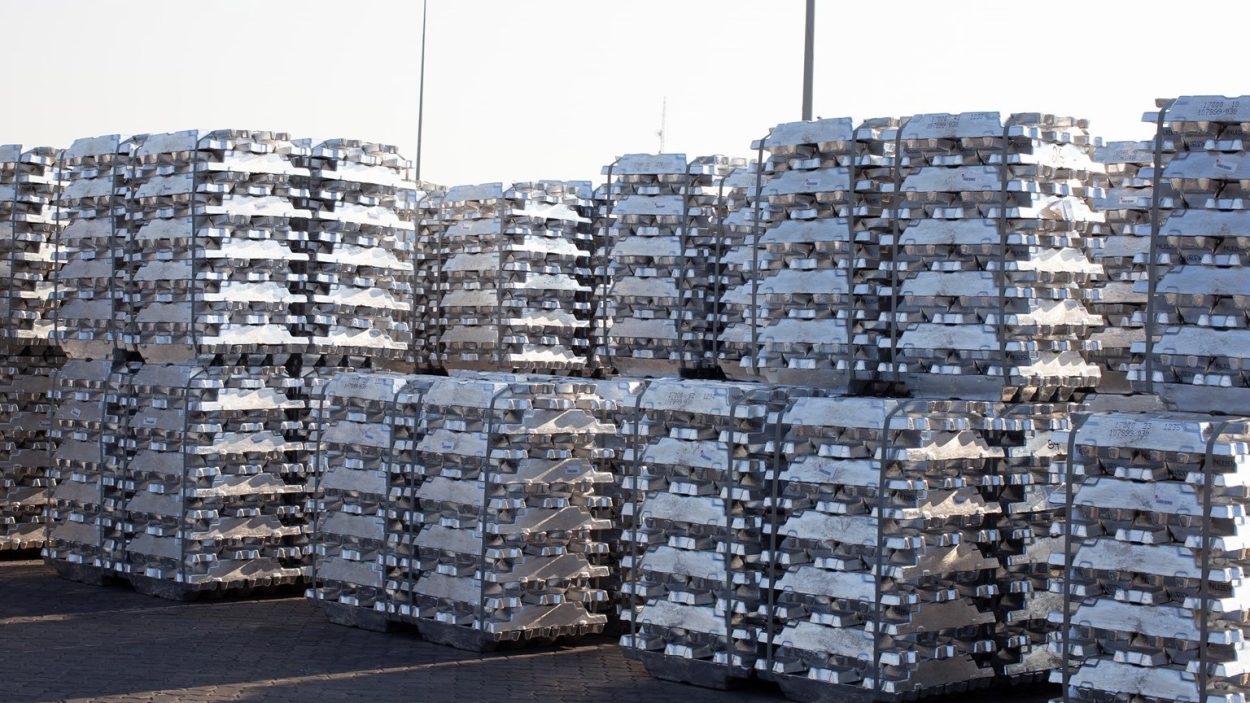
Image: EGA America