The Swedish Government has declared critical minerals as a matter of national security interest, with plans to implement measures that speed up mine permitting.
The move reflects the European Union’s broader strategy to reduce reliance on critical minerals imports from China, which dominates the supply chain from mining to processing.
While Sweden is the bloc’s top iron ore producer, it also hosts large deposits of graphite, cobalt, and rare earth elements.
Its Per Geijer discovery, for example, has been flagged as critical to the EU’s strategic interests. Its owner, LKAB, previously said that the north Arctic deposit could provide 18% of Europe’s rare earth needs in the long term.
By making mining a national priority, Sweden aims to tap into its vast endowment of resources like the Per Geijer find.
Measures under consideration include streamlining the authorisation of land to mining projects.
In addition, the government may look at the possibility of creating a state-owned investment company, as well as a new environmental impact assessment authority, to support the mining sector.
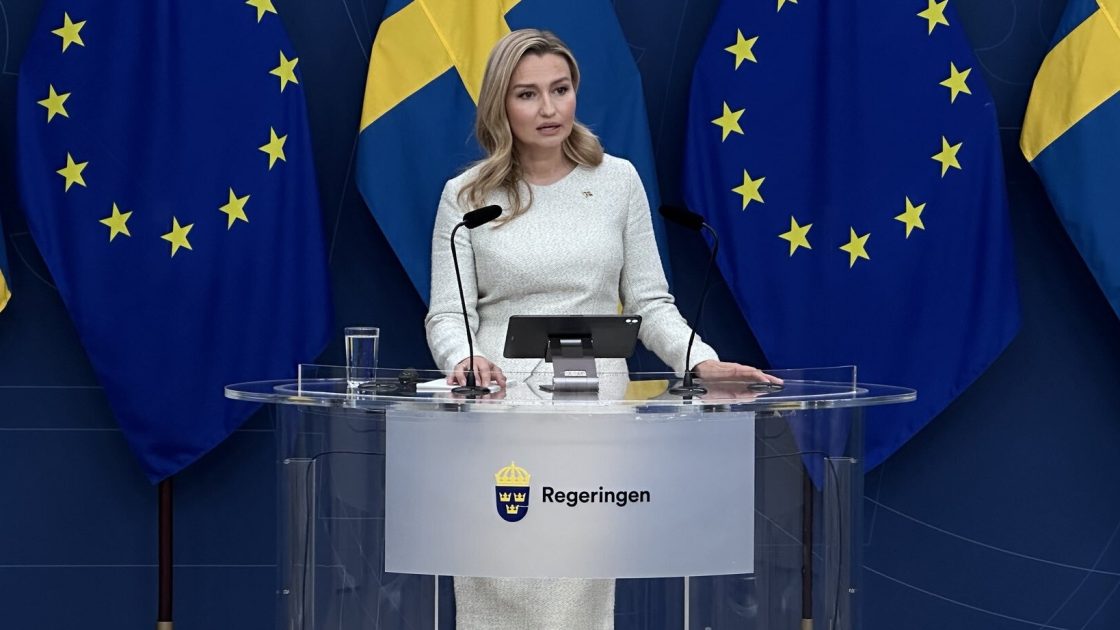
Deputy Prime Minister Ebba Busch, who also serves as Sweden’s Energy Minister, says the moves would speed up planning and permissions and help attract investment.
According to Busch, the Scandinavian nation currently receives just 1% of global investment in exploring for base and critical metals despite its mineral wealth.
“Today, to put it plainly, the government lacks concrete tools to wisely contribute to accelerating and attracting investments in key projects in crucial strategic projects,” she said in a press conference.
“Sweden must become a leading mining nation,” she added.
Write to Jackson Chen at Mining.com.au
Image: Ebba Busch | X