

Sovereign Metals (ASX:SVM) has demonstrated graphite concentrates up to 97.8% total graphitic carbon at high flotation recoveries between 91.2% and 97.2% from four independent laboratories in Australia, Canada, and South Africa.
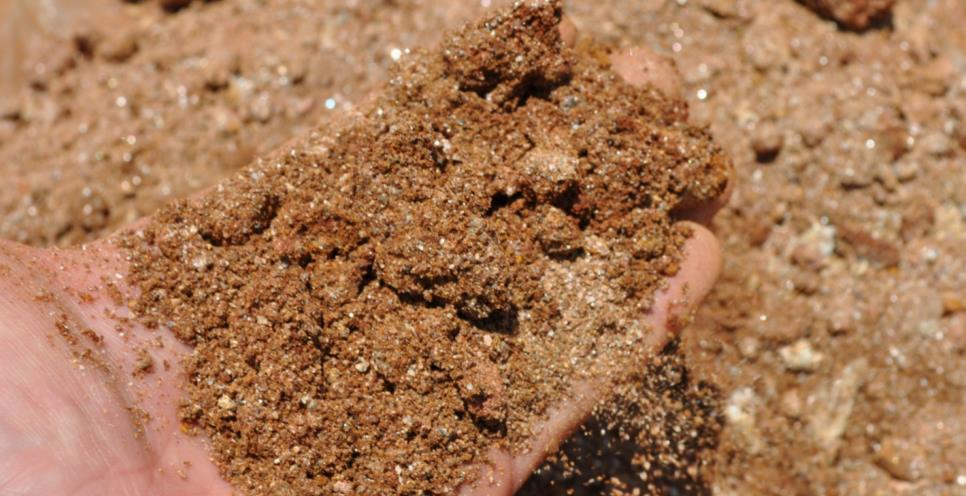
Graphite flotation and cleaning testwork was conducted on graphite circuit feed from Sovereign’s Kasiya Rutile-Graphite Project in Malawi, Africa.
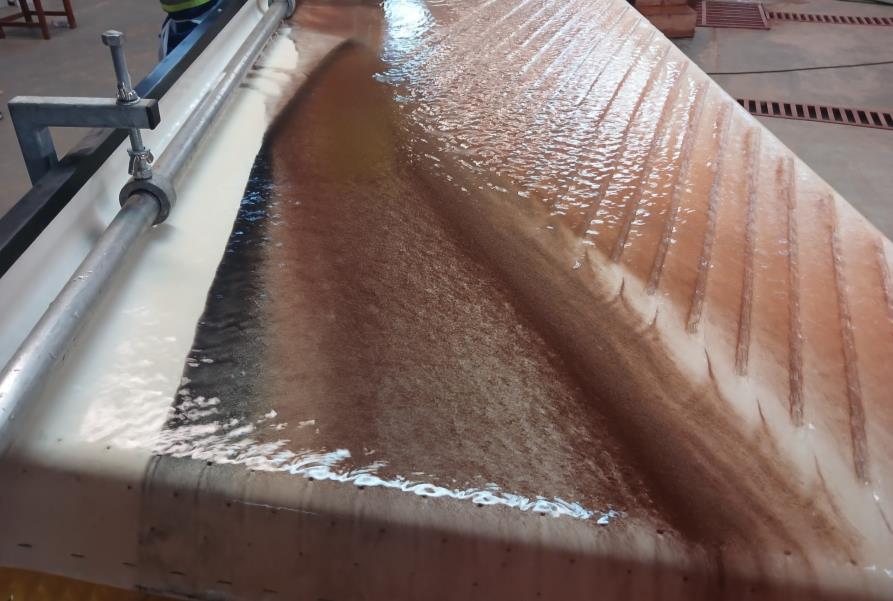
The graphite circuit feed provided to the laboratories was produced at the company’s existing laboratory facility in Lilongwe, Malawi, where it was screened and separated over a wet shaking table.
Sovereign says the graphite feed grades of 3.5% to 4% TGC to the graphite circuit were significantly higher than the mineral resource grade of 1.44%, highlighting the 2.4 to 2.8-fold upgrading of graphite grades when ROM ore passes through the front-end rutile gravity separation circuit.
Sovereign, which has a $284.31 million market capitalisation, says the results, generated using a conventional flowsheet, confirms its ability to produce a high-quality graphite concentrate.
Managing Director Frank Eagar says Kasiya will emerge as a “standout” producer of high-quality graphite concentrate at low industry operating costs.
“Our ability to upgrade Kasiya ore at 1.4% graphite to a 55% rougher concentrate without any crushing or milling, highlights more of the unique qualities of Kasiya,” he says.
“There are very limited graphite projects with these characteristics. The pilot-scale results also confirm that Kasiya produces high-grade concentrates with very low sulphur levels at high recoveries.”
Kasiya concentrate has been sent for downstream testwork at respected graphite consultancy ProGraphite to produce and characterise coated spherical purified graphite (CSPG) active anode material for lithium-ion batteries.
ProGraphite is undertaking shaping, purification, and coating testwork to produce CSPG and evaluate the electrochemical performance of Kasiya CSPG to provide Sovereign with better baseline data for further optimisation and engagement with offtakers.
Results are expected to be released in the coming weeks.
The company believes this demonstrates the ease of separating the rutile heavy mineral and graphite streams from the front end of the Kasiya Prefeasibility Study (PFS) process flowsheet.
The first stage of upgrading the graphite feed through rougher flotation resulted in rejections greater than 90% of waste materials to rougher tails, demonstrating a rougher concentrate of more than 55% total graphitic carbon and the very high recoveries between 94% to 97.8%.
Sovereign highlights that the rougher concentrate was further upgraded through laboratory scale flotation, cleaning, and polishing stages.
According to GeoScience Australia, graphite is a good electrical conductor with a high fusion point and good lubricating properties.
It is suitable as an anode in batteries, as a refractory material in industries producing molten metal for crucibles and blast surface linings, and to replace asbestos brake shoes for heavier vehicles.
Sovereign’s Kasiya project is also considered to be the world’s largest rutile deposit.
Write to Adam Drought at Mining.com.au
Images: Sovereign Metals