
MDF Global MDF Global
Apple’s iPhone boom highlights critical minerals powering smartphones•Presenting a united front for Queensland’s copper sector•Thailand seeks Myanmar mine access amid arsenic pollution•Egypt to set up state-backed company to license artisanal gold miners, free detainees•Brixton closes $7.4 million raise for Thorn, Langis projects•Heliostar banks record $78.7 million for Ana Paula push•Mining giants bet billions on 2030 supply crunch•Gunnison Copper reports Q3 output, revenue surge•Triumph Gold targets $15.46 million for Yukon push•African Rainbow Minerals faces a jobs dispute at Nkomati mine•Angola seeks 10% stake in De Beers under Anglo’s proposed exit•Gold price rebounds but heads for biggest weekly loss since June•Teck copper strike reaches BC port as operator sues union•Copper benchmark rocked by miner-smelter tug-of-war•Zimbabwe mining bill targets community, environmental safeguards•Mount Isa critical minerals hub secures Feasibility Study funding•Eramet initiates $814.5 million capital raise to reduce debt•Richemont backs natural gemstones, declines De Beers comment•‘Tis the season for administration as Comlek falls a second time•OceanaGold Philippines trials wireless blasting at Didipio mine Apple’s iPhone boom highlights critical minerals powering smartphones•Presenting a united front for Queensland’s copper sector•Thailand seeks Myanmar mine access amid arsenic pollution•Egypt to set up state-backed company to license artisanal gold miners, free detainees•Brixton closes $7.4 million raise for Thorn, Langis projects•Heliostar banks record $78.7 million for Ana Paula push•Mining giants bet billions on 2030 supply crunch•Gunnison Copper reports Q3 output, revenue surge•Triumph Gold targets $15.46 million for Yukon push•African Rainbow Minerals faces a jobs dispute at Nkomati mine•Angola seeks 10% stake in De Beers under Anglo’s proposed exit•Gold price rebounds but heads for biggest weekly loss since June•Teck copper strike reaches BC port as operator sues union•Copper benchmark rocked by miner-smelter tug-of-war•Zimbabwe mining bill targets community, environmental safeguards•Mount Isa critical minerals hub secures Feasibility Study funding•Eramet initiates $814.5 million capital raise to reduce debt•Richemont backs natural gemstones, declines De Beers comment•‘Tis the season for administration as Comlek falls a second time•OceanaGold Philippines trials wireless blasting at Didipio mine
Nuclear

Queensland government says nuclear will jeopardise jobs, critical minerals boom 

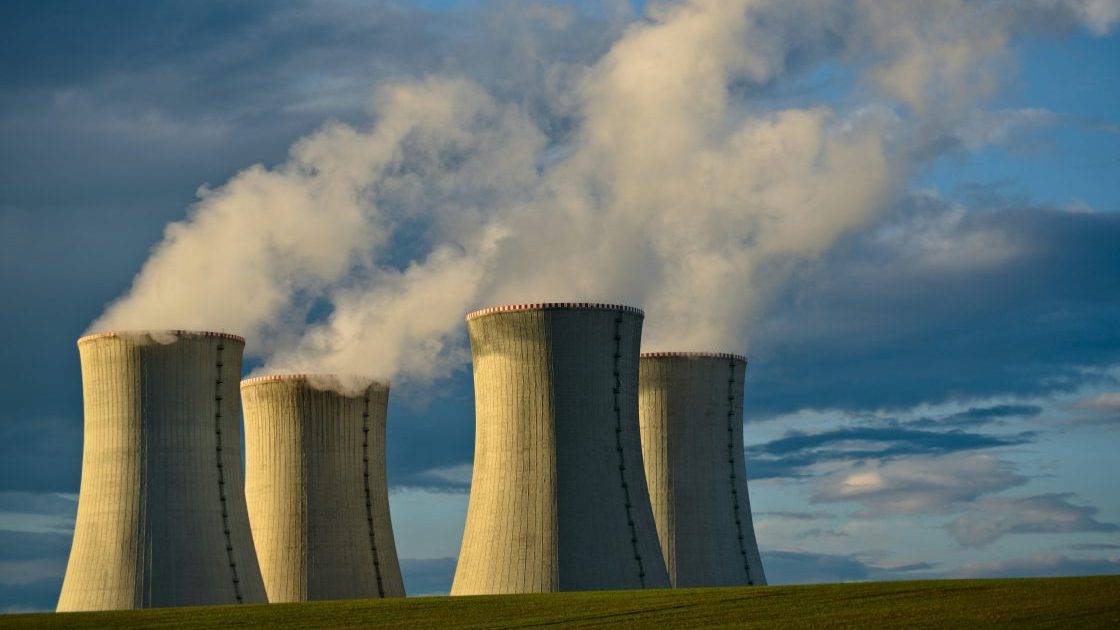
The Queensland government says the Opposition’s plan to build nuclear reactors in several locations around the state puts the state’s jobs creating renewable energy transition and critical minerals boom at risk.

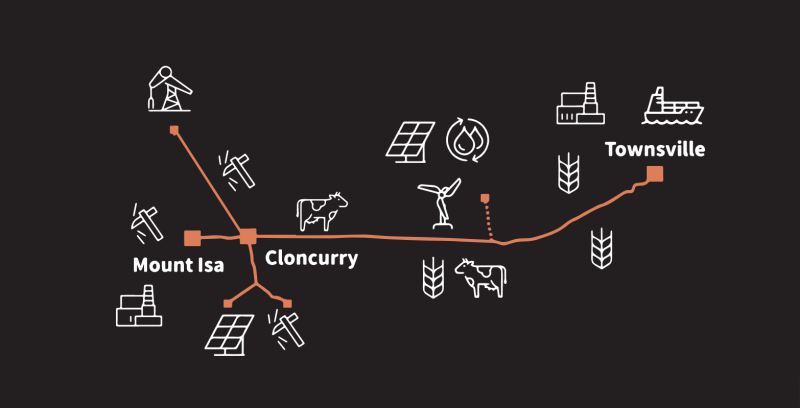
The government is rolling out its $5 billion CopperString project, which is a 11,100km long high voltage electricity transmission line connecting Queensland’s North West Minerals Province to the national electricity grid.

It will include a 500-kilovolt line from Townsville to Hughenden to connect the NWMP to what the state government says will be the largest renewable energy zone in Australia – the North Queensland Renewable Energy Zone.   

But the Liberal National Party-backed Nuclear for Climate Australia has identified multiple sites in North Queensland – including Townsville, the Sunshine Coast, Rockhampton, Brisbane Valley, Toowoomba, and the Darling Downs areas – where it wants to build nuclear reactors. 

The Miles government says putting fossil fuels before Queensland’s clean energy transition will put thousands of jobs at risk and drive the unemployment rate higher. 

Meanwhile, CopperString is expected to provide more than 800 jobs during construction and unlock the $500 billion North West Minerals province, by linking it with Hughenden and up to 6,000 megawatts of renewable energy, according to the government.  

The state government says it will be Australia’s largest expansion to the power grid and it is paid for by progressive coal royalties. 
Energy Minister Mick de Brenni says “Copperstring means jobs and long-term prosperity for the region.”

The Labor government says it has driven unemployment down from 10.8% in March 2017 to 3.7% now.

Premier Steven Miles says nuclear reactors are about five times more expensive for household power bills. 

The CSIRO estimates the capital cost of small modular reactors in 2030 to be $15,959 per kilowatt (kW), compared to wind at $2105/kW and solar at $1134/kW.

“We also know that as a result of those reactors, future generations of Queenslanders will have to manage nuclear waste forever,” Miles says. 

“That’s the LNP plan. Higher prices and nuclear waste; putting our waterways, our environment and our beautiful state at risk.”

Meanwhile, Thuringowa MP Aaron Harper says he does not want to see a nuclear reactor in Townsville and near the banks of the Ross River. 

“Nobody in Thuringowa and the Upper Ross will accept nuclear waste travelling down Riverway Drive,” he says. 

Nuclear energy is currently illegal in Queensland. 

Write to Aaliyah Rogan at Mining.com.au   

Images: Queensland Government & Unsplash

Author Image
Written By Aaliyah Rogan
Originally from New Zealand, Aaliyah brings several years of experience covering the resources sector, with a focus on companies, commodities and global mining markets. Her reporting has spanned European markets and the evolving global mining landscape, with a focus on the stories and market forces driving change across the sector.