MDF Global MDF Global
Apple’s iPhone boom highlights critical minerals powering smartphones•Presenting a united front for Queensland’s copper sector•Thailand seeks Myanmar mine access amid arsenic pollution•Egypt to set up state-backed company to license artisanal gold miners, free detainees•Brixton closes $7.4 million raise for Thorn, Langis projects•Heliostar banks record $78.7 million for Ana Paula push•Mining giants bet billions on 2030 supply crunch•Gunnison Copper reports Q3 output, revenue surge•Triumph Gold targets $15.46 million for Yukon push•African Rainbow Minerals faces a jobs dispute at Nkomati mine•Angola seeks 10% stake in De Beers under Anglo’s proposed exit•Gold price rebounds but heads for biggest weekly loss since June•Teck copper strike reaches BC port as operator sues union•Copper benchmark rocked by miner-smelter tug-of-war•Zimbabwe mining bill targets community, environmental safeguards•Mount Isa critical minerals hub secures Feasibility Study funding•Eramet initiates $814.5 million capital raise to reduce debt•Richemont backs natural gemstones, declines De Beers comment•‘Tis the season for administration as Comlek falls a second time•OceanaGold Philippines trials wireless blasting at Didipio mine Apple’s iPhone boom highlights critical minerals powering smartphones•Presenting a united front for Queensland’s copper sector•Thailand seeks Myanmar mine access amid arsenic pollution•Egypt to set up state-backed company to license artisanal gold miners, free detainees•Brixton closes $7.4 million raise for Thorn, Langis projects•Heliostar banks record $78.7 million for Ana Paula push•Mining giants bet billions on 2030 supply crunch•Gunnison Copper reports Q3 output, revenue surge•Triumph Gold targets $15.46 million for Yukon push•African Rainbow Minerals faces a jobs dispute at Nkomati mine•Angola seeks 10% stake in De Beers under Anglo’s proposed exit•Gold price rebounds but heads for biggest weekly loss since June•Teck copper strike reaches BC port as operator sues union•Copper benchmark rocked by miner-smelter tug-of-war•Zimbabwe mining bill targets community, environmental safeguards•Mount Isa critical minerals hub secures Feasibility Study funding•Eramet initiates $814.5 million capital raise to reduce debt•Richemont backs natural gemstones, declines De Beers comment•‘Tis the season for administration as Comlek falls a second time•OceanaGold Philippines trials wireless blasting at Didipio mine
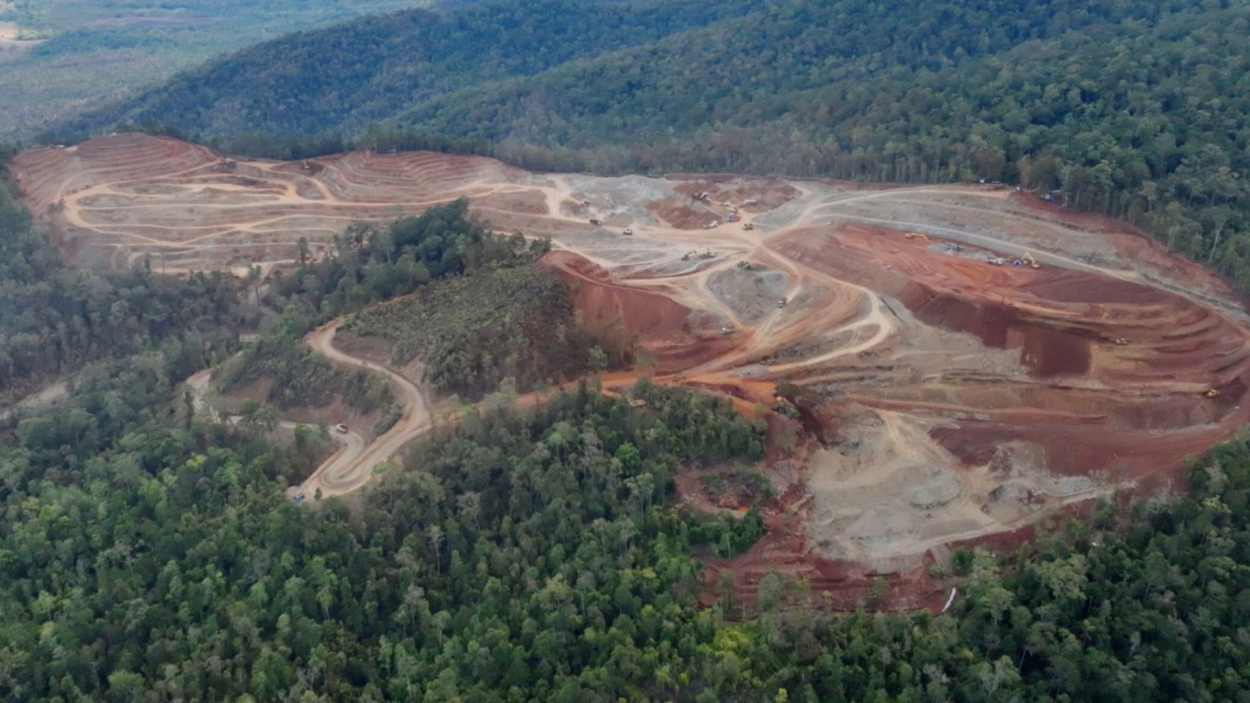
Open pit mine in Palawan, Philippines

Philippine nickel sector supports only up to three processors, BOI says

The Philippines’ Board of Investments (BOI) has said that the country’s nickel sector can realistically support only two or three processing plants under current production levels, as reported by BusinessWorld.

Speaking at a regional sovereign wealth fund mining forum earlier this week, BOI Executive Director Maria Corazon Halili-Dichosa cautioned against approving excessive processing projects until more mines enter development.

“We cannot have so many mineral processing projects,” Halili-Dichosa said.

“For example, for current feedstock, [even with] all the mining companies operating, it’s good for two to three nickel processing plants.

“You’ll need more nickel ore or new mining tenements operating to support [more] viable nickel processing facilities; so, that’s how we see it.”

Halili-Dichosa pointed out that domestic processing of copper remains BOI’s priority. However, she cited the Philippine Associated Smelting and Refining (PASAR) facility in the country’s Leyte province as a cautionary precedent after it laid off its workforce and became dormant in 2025.

“Even when PASAR was there, our copper [ore] was still being exported. It wasn’t going to PASAR, right? So those are the disconnected [links] in the supply chain that hopefully we can also resolve,” she said.

“Nevertheless, we really need to have processing facilities when the new mining tenements are operated. That’s what we want to happen.”

The BOI is awaiting streamlined regulations from the Department of Environment and Natural Resources’ Mines and Geosciences Bureau (MGB) to facilitate processing investment.

The MGB has been directed to establish an online one-stop shop to digitise mining permitting, taking cues from expedited green-lane approvals in the renewable energy sector.

Under Executive Order 122, the National Policy Framework for Developing the Critical Minerals Industry identified 9 million hectares of land prospective for critical minerals, though only 3% has undergone development.

Write to Paula Fabe at Mining.com.au

Main image: Amnesty International

Add to Watch List:
Author Image
Written By Paula Fabe
Paula has over 15 years of combined experience in PR, brand communications, and content marketing. She has experienced both agency and client sides of content ideation and production, mentoring young creatives along the way. She has also worked directly with small businesses in the Philippines, helping shape and refine their brand stories. Off-duty, she is co-founder of a brunch social for young women, building a community grounded in growth, connection, and mentorship. In her leisure time, she enjoys a strong cup of coffee and a good K-drama and spending time with her family.