


The Geological Survey of New South Wales reveals that current and historical mine sites could have critical minerals and high-tech metals deposits hidden inside their old waste.
After collecting more than 1,200 samples, the New South Wales Government says these results could mean new opportunities for production, bringing more jobs and investment opportunities to communities across the region.
Historical mines where sampling occurred include CSA in the Central West, Queen Bee, Great Cobar, and Nymagee in the Far West, Endeavour Elura and Endeavour McKinnons in the Central West, and Hillgrove in the Northern Tablelands.
Current mines where researchers were looking for additional materials include the Peak Gold Mine and Tritton near Cobar, RASP and Southern Operations near Broken Hill, and Stratford in the Upper Hunter.
As part of the Geological Survey’s Mine Reuse Project, the samples were run through the latest sampling techniques and underwent high precision chemical analysis to uncover critical minerals.
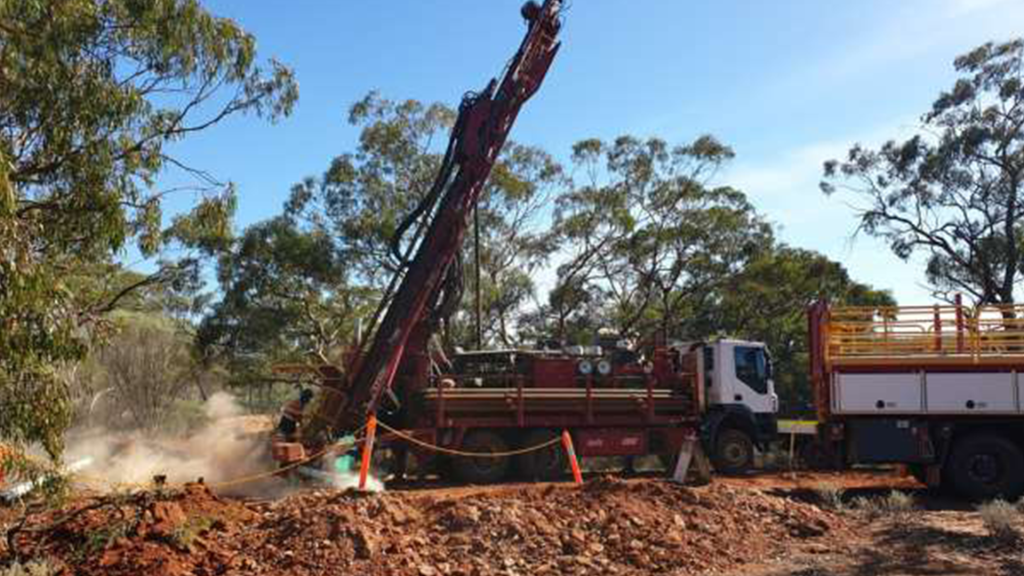
This revealed elevated concentrations of 11 critical minerals and high-tech metals including copper, cobalt, silver, and antimony.
The Mine Reuse Project also identified existing discoveries from the reprocessing of waste and tailings. This includes gold from historical tailings at the Mineral Hill Mine in the Central West, and tin from the Ardlethan mine site in the Riverina.
Geological Survey says the results will be released sometime this week, as part of NSW Minerals Week — which provides an opportunity for government, industry and regional communities to celebrate the contribution that mining makes to the state.
Minister for Natural Resources Courtney Houssos says the release of data is an important part of the state’s critical minerals strategy.
“This pre-competitive data helps to minimise investment risk in exploration and identify new opportunities,” Houssos says.
Chief Geoscientist and Head of the Geological Survey of NSW Phil Blevin says the Mine Reuse Project is a direct outcome of the government’s commitment to a Critical Mineral and High-Tech Metals Strategy that drives investment and innovation in the exploration and mining sector.
“There is a significant multiplier effect in the provision of this data, and it helps drive exploration and innovation,” Blevin says.
Data from Geological Survey projects are used extensively by the industry to guide explorers and miners, as well as to assist them in identifying new opportunities for critical minerals mines.
The release of data from projects like this helps focus explorers and miners on opportunities for development and could see an increase on the 190 critical minerals exploration titles already being pursued across the state.
Further, the data is part of the government’s continued focus on delivering the NSW Critical Minerals and High-Tech Metals Strategy 2024-35.
The state government says it builds on the extensive investments made by the government to date, including a $2.5 million co-investment fund for critical minerals explorers and a $250 million royalty deferral initiative for new critical mineral projects.
Critical minerals are vital for current and future technologies like electric vehicles, solar technologies, defence and aerospace, wind turbines, electronics and medical applications.
Write to Aaliyah Rogan at Mining.com.au
Images: Tungsten Mining & NSW Minerals Council