MDF Global MDF Global
Apple’s iPhone boom highlights critical minerals powering smartphones•Presenting a united front for Queensland’s copper sector•Thailand seeks Myanmar mine access amid arsenic pollution•Egypt to set up state-backed company to license artisanal gold miners, free detainees•Brixton closes $7.4 million raise for Thorn, Langis projects•Heliostar banks record $78.7 million for Ana Paula push•Mining giants bet billions on 2030 supply crunch•Gunnison Copper reports Q3 output, revenue surge•Triumph Gold targets $15.46 million for Yukon push•African Rainbow Minerals faces a jobs dispute at Nkomati mine•Angola seeks 10% stake in De Beers under Anglo’s proposed exit•Gold price rebounds but heads for biggest weekly loss since June•Teck copper strike reaches BC port as operator sues union•Copper benchmark rocked by miner-smelter tug-of-war•Zimbabwe mining bill targets community, environmental safeguards•Mount Isa critical minerals hub secures Feasibility Study funding•Eramet initiates $814.5 million capital raise to reduce debt•Richemont backs natural gemstones, declines De Beers comment•‘Tis the season for administration as Comlek falls a second time•OceanaGold Philippines trials wireless blasting at Didipio mine Apple’s iPhone boom highlights critical minerals powering smartphones•Presenting a united front for Queensland’s copper sector•Thailand seeks Myanmar mine access amid arsenic pollution•Egypt to set up state-backed company to license artisanal gold miners, free detainees•Brixton closes $7.4 million raise for Thorn, Langis projects•Heliostar banks record $78.7 million for Ana Paula push•Mining giants bet billions on 2030 supply crunch•Gunnison Copper reports Q3 output, revenue surge•Triumph Gold targets $15.46 million for Yukon push•African Rainbow Minerals faces a jobs dispute at Nkomati mine•Angola seeks 10% stake in De Beers under Anglo’s proposed exit•Gold price rebounds but heads for biggest weekly loss since June•Teck copper strike reaches BC port as operator sues union•Copper benchmark rocked by miner-smelter tug-of-war•Zimbabwe mining bill targets community, environmental safeguards•Mount Isa critical minerals hub secures Feasibility Study funding•Eramet initiates $814.5 million capital raise to reduce debt•Richemont backs natural gemstones, declines De Beers comment•‘Tis the season for administration as Comlek falls a second time•OceanaGold Philippines trials wireless blasting at Didipio mine

Niger hands seized Orano uranium mine to state entity

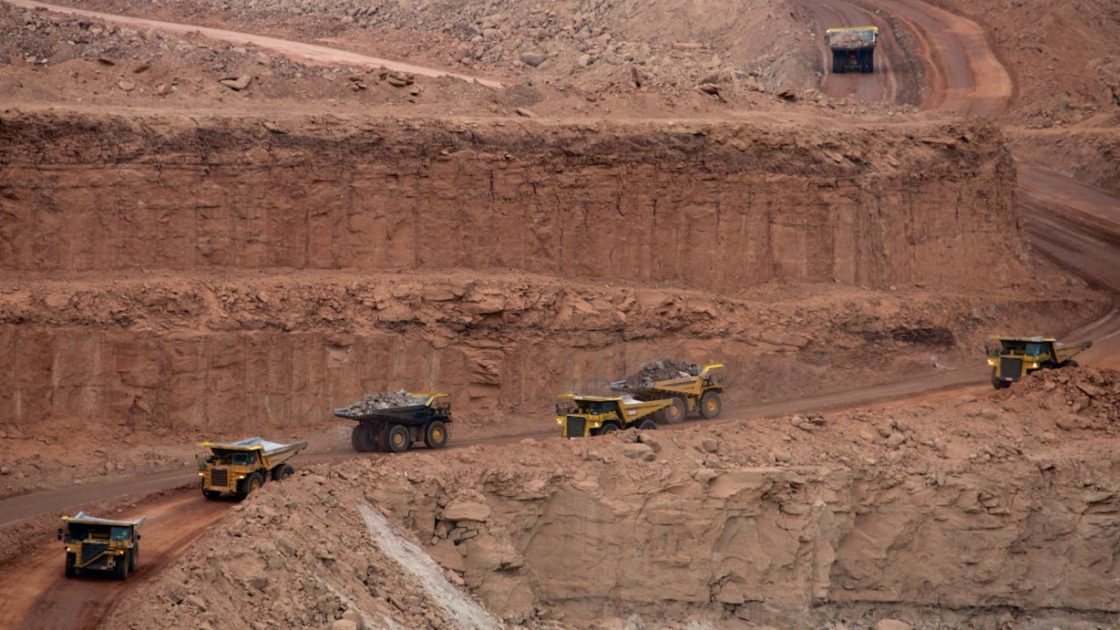
Niger has transferred control of the Somaïr uranium operation to a state-owned entity, following its seizure from French nuclear fuel group Orano.

According to an official document seen by Bloomberg, the Nigerien Government has granted the mining permit for the In Azaoua area to Tsumco SA, a company it created after taking control of Somaïr last year.

Orano previously held an approximate 63% interest in Somaïr and operated the mine in partnership with Sopamin, Niger’s state-owned mining company.

However, Niger’s military government took full control of the operation in June 2025 after accusing Orano of extracting more uranium than permitted under its agreement with the state.

Orano has opposed the nationalisation and launched legal proceedings in multiple commercial courts following the takeover.

Resource nationalism spreads

The Somaïr dispute forms part of a broader wave of resource nationalism across West Africa, as governments seek greater control and economic benefits from their mineral resources.

In Mali, a revised mining code contributed to a prolonged dispute with Barrick Mining (TSX:ABX) over the Loulo-Gounkoto complex, resulting in operational disruptions.

Ghana has also introduced a new mining royalty regime and is moving towards phasing out long-term mining stability agreements.

In Niger, however, the shift has taken a more confrontational form since the current military government seized power three years ago.

Earlier this year, the government announced it was revoking several mining and refining agreements, citing failures to meet commitments covering local employment, environmental protection, and reporting obligations.

At Somaïr, the government had already seized around 1,000 tonnes of uranium worth about US$240 million ($335 million) and put the material up for sale.

Another uranium permit awarded

In a separate decision on Friday, Niger re-awarded the Madaouela I uranium permit to Madaouela Mining, after the company agreed to pay the government an initial fixed fee of US$10 million.

The permit had reverted to the state after Niger revoked Canadian explorer GoviEx Uranium’s licence in July 2024. GoviEx, which since merged with Tombador Iron to form Atomic Eagle (ASX:AEU), also launched arbitration proceedings against the African nation.

The latest decisions further consolidate Niger’s control over its uranium sector as the country continues to reshape its relationships with foreign mining companies.

Niger ranks amongst the world’s uranium producers, supplying about 5% of global demand.

Write to Jackson Chen at Mining.com.au

Image: Orano

Add to Watch List:
Author Image
Written By Jackson Chen
Jackson is a Canadian-based writer with over a decade of experience covering the global mining industry. Over the years, he has reported on a wide range of topics, from commodities and major industry deals to emerging technologies shaping the future of mining. Jackson holds a Master's degree in economics.