
MDF Global MDF Global
Apple’s iPhone boom highlights critical minerals powering smartphones•Presenting a united front for Queensland’s copper sector•Thailand seeks Myanmar mine access amid arsenic pollution•Egypt to set up state-backed company to license artisanal gold miners, free detainees•Brixton closes $7.4 million raise for Thorn, Langis projects•Heliostar banks record $78.7 million for Ana Paula push•Mining giants bet billions on 2030 supply crunch•Gunnison Copper reports Q3 output, revenue surge•Triumph Gold targets $15.46 million for Yukon push•African Rainbow Minerals faces a jobs dispute at Nkomati mine•Angola seeks 10% stake in De Beers under Anglo’s proposed exit•Gold price rebounds but heads for biggest weekly loss since June•Teck copper strike reaches BC port as operator sues union•Copper benchmark rocked by miner-smelter tug-of-war•Zimbabwe mining bill targets community, environmental safeguards•Mount Isa critical minerals hub secures Feasibility Study funding•Eramet initiates $814.5 million capital raise to reduce debt•Richemont backs natural gemstones, declines De Beers comment•‘Tis the season for administration as Comlek falls a second time•OceanaGold Philippines trials wireless blasting at Didipio mine Apple’s iPhone boom highlights critical minerals powering smartphones•Presenting a united front for Queensland’s copper sector•Thailand seeks Myanmar mine access amid arsenic pollution•Egypt to set up state-backed company to license artisanal gold miners, free detainees•Brixton closes $7.4 million raise for Thorn, Langis projects•Heliostar banks record $78.7 million for Ana Paula push•Mining giants bet billions on 2030 supply crunch•Gunnison Copper reports Q3 output, revenue surge•Triumph Gold targets $15.46 million for Yukon push•African Rainbow Minerals faces a jobs dispute at Nkomati mine•Angola seeks 10% stake in De Beers under Anglo’s proposed exit•Gold price rebounds but heads for biggest weekly loss since June•Teck copper strike reaches BC port as operator sues union•Copper benchmark rocked by miner-smelter tug-of-war•Zimbabwe mining bill targets community, environmental safeguards•Mount Isa critical minerals hub secures Feasibility Study funding•Eramet initiates $814.5 million capital raise to reduce debt•Richemont backs natural gemstones, declines De Beers comment•‘Tis the season for administration as Comlek falls a second time•OceanaGold Philippines trials wireless blasting at Didipio mine

Multi-million dollar battery to help power NSW

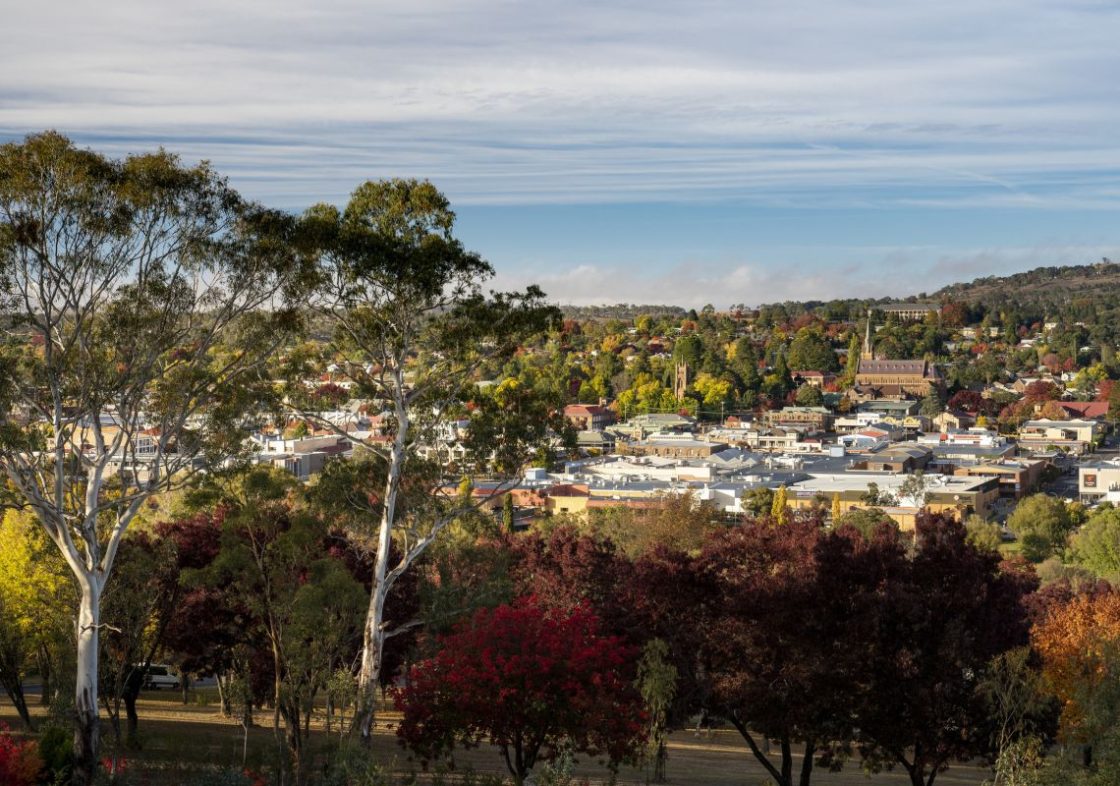
A large-scale $209 million battery near Armidale, New South Wales has secured approval for construction to support around 60,000 homes during peak power times. 

Armidale’s BESS is a 150 megawatt/437 megawatt per hour battery that can ramp up quickly when households need power, during the busy morning and evening times. The project will create 100 construction jobs and provide Armidale Regional Council with more than $2.5 million to invest in local community projects. 

Under the approval conditions, developer Valent Energy Developments will provide the council a lump sum of $1.275 million through a Voluntary Planning Agreement as well as an additional $1.275 million over the life of the project. 

Renewable energy developer VPAs with regional councils typically fund community halls, sporting facilities, libraries, parks and playgrounds. 

Valent has also committed to annual contributions totalling $400,000 for the upkeep and enhancement of the New England Rail Trail over 20 years.

The New South Wales Government says this project is the latest in the state’s growing network of battery energy storage systems (BESS) which will be critical to supporting the transition to clean energy as coal-fired power stations retire. 

Minister for planning and public spaces Paul Scully says large-scale batteries are key to a stronger, more reliable energy network. 

“Over the next decade regional councils will receive hundreds of millions of dollars to spend on their communities following the Minns Labor Government’s introduction of community benefit sharing requirements for renewable energy projects,” Scully says. 

BESS’s are large-scale battery setups storing renewable energy for grid stability, such as solar and wind. 

The lithium market for BESS is experiencing significant growth, driven primarily by the clean energy transition, with demand expected to increase three to four times by 2030-2035. 

According to Fortune Business Insights, the BESS market is forecast to grow from billions to more than $100 billion by 2032. 

As reported on the twelfth day of Christmas, analysts and executives believe lithium is forecast to have a strong 2026, with global production capacity remaining high, tempering price rallies and contributing to ongoing volatility.  

Demand is accelerating, particularly from China, where EV output rose 20.3% year-on-year in September 2025, the strongest growth recorded this year so far.

Write to Aaliyah Rogan at Mining.com.au   

Images: Armidale BESS

Add to Watch List:
Author Image
Written By Aaliyah Rogan
Originally from New Zealand, Aaliyah brings several years of experience covering the resources sector, with a focus on companies, commodities and global mining markets. Her reporting has spanned European markets and the evolving global mining landscape, with a focus on the stories and market forces driving change across the sector.