



Andromeda Metals (ASX:ADN) is making inroads to produce the critical mineral high-purity alumina (HPA) from kaolin sourced from The Great White Project.
Testwork previously carried out by external consultants confirm that kaolin from The Great White Project is ideally suited for making HPA, due to its high alumina content and exceptionally low levels of alkali and alkaline earth metals.
HPA is listed on Australia’s critical minerals list as a high value product, with an increasing use in the manufacturing of LED lights, synthetic sapphire glass, semiconductors and lithium-ion batteries.
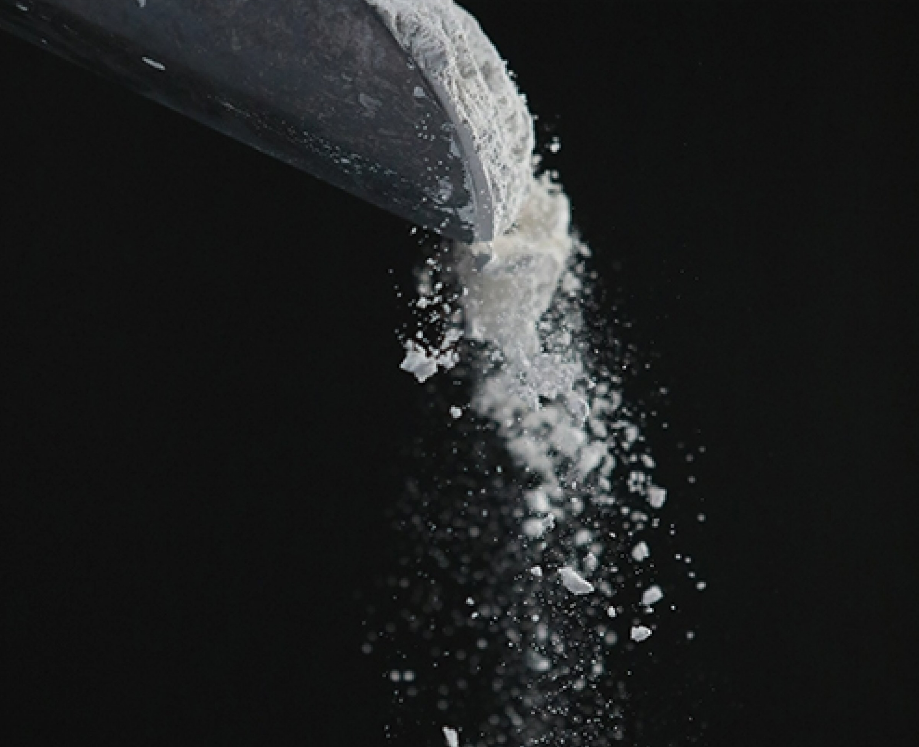
HPA is a high-purity form of non-metallurgical alumina or aluminium oxide (Al2O3). It is an extremely versatile material widely used in the technology and automotive industries, however, its application varies depending on its degree of purity. For example, HPA produced at >99.995% (4N5) or >99.999% (5N) could be used in the manufacturing of products such as LED lights and lithium-ion batteries.
As previously announced, Andromeda recently restarted testwork to assess the potential viability of its novel flowsheet aimed at producing HPA using kaolin from the high-quality TGWP feedstock.
The recent lab-scale tests undertaken to prove up the novel process, have produced HPA to 99.99% purity (4N HPA). Andromeda says the lab tests confirm the novel process overcomes several inherent problems normally associated with other published processes for producing HPA from kaolin.
As a result of achieving refined 4N HPA at a laboratory scale, Andromeda will now progress to the next phase of test work on HPA. This includes running a more rigorous continuous test program for creation of samples for bulk analysis.
An international patent co-operation treaty (PCT) application covering the process has also recently been filed.
Andromeda CEO Bob Katsiouleris says these results are encouraging and represent a significant de-risking of Andromeda’s proprietary process to produce HPA.
“The positive results underpin our plans to produce HPA using the high-quality kaolin feedstock from The Great White Project. The novel process offers the prospect of commercially producing 4N HPA economically, at scale,” he says.
Andromeda has received approval of the Program for Environment and Rehabilitation (PEPR) for The Great White Project from South Australia’s Department for Energy and Mining (DEM). The PEPR is the second and final stage of the South Australian Government’s two-stage regulatory process and is a significant milestone in the development of the TGWP.
The approved PEPR allows the processing of up to 300,000 tonnes per annum of ore, producing up to a nominal 150,000tpa of halloysite-kaolin products from the project.
Following approval of the PEPR, payments for an environmental bond and the Native Vegetation Fund are required prior to construction commencing, which is anticipated during 2024.
The company completed an updated Definitive Feasibility Study for the Great White Project in 2023.
Write to Adam Orlando at Mining.com.au
Images: Andromeda


