


Gold Mountain (ASX:GMN) has secured 20 new tenements covering a 388.18km-square area prospective for niobium and rare earths in the Araxa region of Minas Gerais, Brazil.
The tenements lie among a group of carbonatites, including one which hosts the world’s ‘largest’ niobium mine.
Gold Mountain, which has a market capitalisation of $14.38 million, plans to conduct initial stream sediment sampling and channel sampling of exposures of the weathering horizons.
Upon completing this, the company will follow-up with a detailed geophysics and soil sampling program to define areas of specific interest for niobium and rare earths.
Any ‘significant’ anomalies uncovered will then be followed up with a drilling program, including reverse circulation (RC) and diamond drilling to define resources.
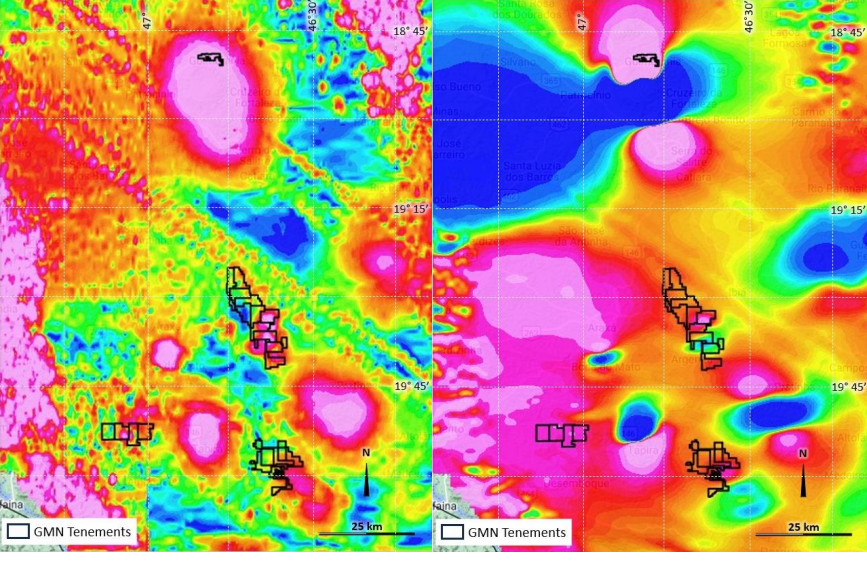
The tenements secured cover the carbonatite type magnetic and radiometric signatures as well as parts of the outer hydrothermally altered wall rocks zone of the carbonatites.
The Araxa region contains the ‘largest’ niobium mine in the world, which is hosted by a carbonatite complex near Araxa. The mine contains 94% of the world niobium reserves and Brazil has 82% of the world market for niobium.
Gold Mountain is an Australian explorer focused on discovering ‘world-class’ lithium and rare earths deposits in the ‘highly prospective’ lithium valley and north eastern Brazil, as well as porphyry copper-gold-molybdenum deposits in Papua New Guinea.
As of 31 December 2023, the company had $755,000 cash and cash equivalents at hand, according to its latest quarterly report.
Write to Aaliyah Rogan at Mining.com.au
Images: Gold Mountain