Glencore (LSE:GLEN) and Mercuria Energy Group are reportedly showing interest in Venezuela’s largest aluminium smelter, as Western companies deepen their push into the Latin American nation’s mineral sector.
According to Bloomberg, the Swiss commodity traders are separately in talks with the Venezuelan Government over potential deals involving the state-owned Venalum smelter in Bolívar.
Details of the discussions remain limited, although the talks have included proposals to operate the smelter and secure access to the aluminium it produces, Bloomberg reported, citing people familiar with the matter.
On Mercuria’s side, the company is reportedly working again with private mining investment firm Heeney Capital.
The two companies are partners in a US-backed initiative that has already resulted in several agreements to purchase Venezuelan bulk commodities and metals, including gold.
Glencore eyes return to Venezuela
For Glencore, a deal involving Venalum would re-establish a foothold in Venezuela at a time when the US is seeking greater influence over the country’s vast mineral and oil resources.
Glencore has a long history in the country. It was involved with Venezuela’s state-owned aluminium sector more than two decades ago and later provided financing to domestic aluminium producers.
The commodities giant also built an extensive oil-trading relationship with state-owned Petróleos de Venezuela (PDVSA).
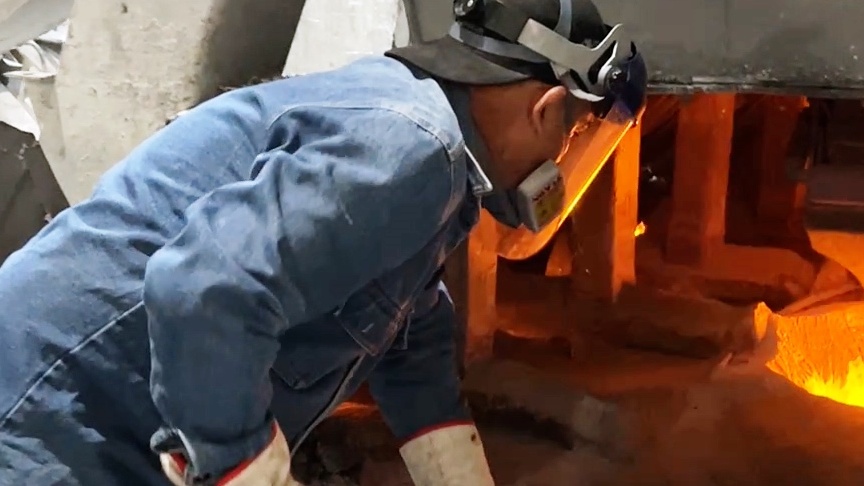
Venalum, also known as Industria Venezolana de Aluminio, was established in 1973 to produce primary aluminium in various forms for export. It operates under a joint venture that is controlled 80% by Venezuela and 20% by a Japanese consortium.
Located in the industrial hub of Puerto Ordaz, the facility sits at the centre of an aluminium industry built around the nation’s hydroelectric power infrastructure and significant bauxite reserves.
Smelting operations began in 1978. According to Venalum, the plant is the largest in Latin America, with an installed capacity of 430,000 tonnes of primary aluminium per year.
Aluminium prices rise on supply disruptions
Interest in Venalum comes as the global aluminium market faces supply disruptions stemming from the conflict in the Middle East.
The Gulf region accounts for around 8% of global primary aluminium production and roughly 23% of output outside China, according to data from the International Aluminium Institute.
Concerns over supplies from the region have supported aluminium prices, which have risen nearly 10% since the start of the year.
A deal involving Venalum would add to growing Western interest in Venezuela’s natural resources as companies look for new sources of metals amid heightened concerns over global supply security.
Write to Jackson Chen at Mining.com.au
Image: Venalum