MDF Global MDF Global
Apple’s iPhone boom highlights critical minerals powering smartphones•Presenting a united front for Queensland’s copper sector•Thailand seeks Myanmar mine access amid arsenic pollution•Egypt to set up state-backed company to license artisanal gold miners, free detainees•Brixton closes $7.4 million raise for Thorn, Langis projects•Heliostar banks record $78.7 million for Ana Paula push•Mining giants bet billions on 2030 supply crunch•Gunnison Copper reports Q3 output, revenue surge•Triumph Gold targets $15.46 million for Yukon push•African Rainbow Minerals faces a jobs dispute at Nkomati mine•Angola seeks 10% stake in De Beers under Anglo’s proposed exit•Gold price rebounds but heads for biggest weekly loss since June•Teck copper strike reaches BC port as operator sues union•Copper benchmark rocked by miner-smelter tug-of-war•Zimbabwe mining bill targets community, environmental safeguards•Mount Isa critical minerals hub secures Feasibility Study funding•Eramet initiates $814.5 million capital raise to reduce debt•Richemont backs natural gemstones, declines De Beers comment•‘Tis the season for administration as Comlek falls a second time•OceanaGold Philippines trials wireless blasting at Didipio mine Apple’s iPhone boom highlights critical minerals powering smartphones•Presenting a united front for Queensland’s copper sector•Thailand seeks Myanmar mine access amid arsenic pollution•Egypt to set up state-backed company to license artisanal gold miners, free detainees•Brixton closes $7.4 million raise for Thorn, Langis projects•Heliostar banks record $78.7 million for Ana Paula push•Mining giants bet billions on 2030 supply crunch•Gunnison Copper reports Q3 output, revenue surge•Triumph Gold targets $15.46 million for Yukon push•African Rainbow Minerals faces a jobs dispute at Nkomati mine•Angola seeks 10% stake in De Beers under Anglo’s proposed exit•Gold price rebounds but heads for biggest weekly loss since June•Teck copper strike reaches BC port as operator sues union•Copper benchmark rocked by miner-smelter tug-of-war•Zimbabwe mining bill targets community, environmental safeguards•Mount Isa critical minerals hub secures Feasibility Study funding•Eramet initiates $814.5 million capital raise to reduce debt•Richemont backs natural gemstones, declines De Beers comment•‘Tis the season for administration as Comlek falls a second time•OceanaGold Philippines trials wireless blasting at Didipio mine
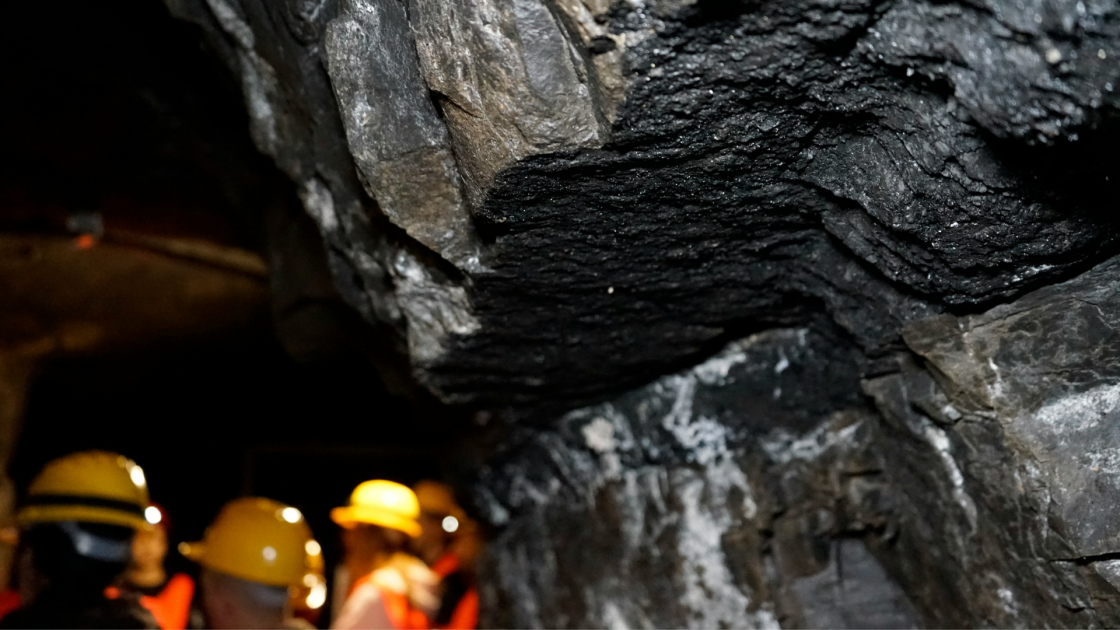
Coal underground mine unsplash

Gas explosion at Liushenyu kills 82 people

At least 82 people have died in a gas explosion that occurred on Friday 22 May 2026 at a Chinese coal mine in the Shanxi province.

The coal mine blast occurred at Shanxi Tongzhou Coal Coking Group’s Liushenyu Coal Mine at around 7:29pm local time last Friday.

At the time, a total of 247 workers were underground at the site, with 128 people sent to hospital thereafter. Two people are in critical condition.

Rescue officials originally recorded the death rate at 90 people, before revising the number of deaths to 82 late on Saturday. Currently, two people are reported missing from the coal mine blast.

State media reports that most workers were affected after inhaling poisonous gas.

Injured miner Wang Yong told state media that he did not hear the explosion at the mine but instead noticed the sudden plume of smoke.

“I smelled sulphur, the same smell you get from blasting. I shouted at people to run. As we were running, I could see people collapsing from the fumes. Then I blacked out too,” Yong says.

“I lay there for about an hour or so before I came round on my own. I woke up the person next to me and we got out together.”

More than 750 emergency frontline workers were dispatched to Liushenyu at the time of the incident.

The government is pursuing investigations to treat the injured, search for survivors, and uncover what caused the explosion.

Rescue workers deployed mine inspection robots to the underground site early on Sunday morning, equipped with gas sensors and infrared cameras. The robots were used to access unreachable areas by humans, searching for signs of life.

The incident is the worst mining disaster in China since 2009, when 108 people were killed in a mine explosion at the Xinxing Mine in northeastern Heilongjiang province.

Production has been suspended across all four of Shanxi Tongzhou Group’s mines.

The Liushenyu Mine was listed as one of the ‘severe safety hazards’ by the Chinese National Mine Safety Administration in 2024.

Shanxi Tongzhou Group reportedly received two administrative penalties in 2025 for safety issues.

Write to Maddison Elliott at Mining.com.au

Images: Unsplash

Add to Watch List:
Author Image
Written By Maddison Elliott
Maddison holds a Bachelor of Communication and Journalism, a Bachelor of Business, and a Master of Writing, Editing and Publishing. She enjoys transforming complex information into clear, engaging stories that inform, educate, and connect with readers. Outside of the newsroom, Maddison spends her time reading, exploring new places, catching a game, or spending time with friends and family.