



A new kind of race is unfolding as Europe accelerates toward its net zero ambitions. This time, the prize is not chocolate eggs or springtime celebration, but something more strategic – critical minerals.
Alongside growing and developing the continent’s project pipeline, policymakers and industry executives across Europe are embarking on a high-stakes easter hunt of their own, searching for what has long been overlooked. Critical minerals such as copper, cobalt, lithium, nickel and rare earths are considered the building blocks of the future and the road to net zero.
The European Union (EU) currently sources the majority of its critical raw materials from a handful of external players, with China dominating processing capacity for rare earths and battery grade materials.
At the same time, demand is set to surge – with lithium demand alone forecast to grow to 58,000 tonnes per year in 2030, as previously reported.
To close the widening gap that is emerging, Europe is rewriting the rules of the game.

Basket of policies
At the centre of this shift is the Critical Raw Materials Act, which is the basis for building up the EU’s capacities and strengthening the resilience of its critical raw material supply chains.
It includes measures to strengthen domestic supply chains and reinforce international engagement to develop mutually beneficial partnerships with third countries.
The EU aims to source 10% of needs via domestic extraction, 40% processing, and 25% recycling by 2030, with no more than 65% from a single third country.
Speaking to Mining.com.au, Guillermo Giralda Fustes, associate of Squire Patton Boggs, says when it comes to the extraction, no one is saying that the EU is going to be completely isolated.
“But I think where the EU is really placing its bets is on the processing,” he says,
“And what the EU – with that 40% objective by 2030 – is trying to do currently is trying to secure the inputs, be it from Canada, Australia or from anywhere in the world really, to get that processing going within the EU.”
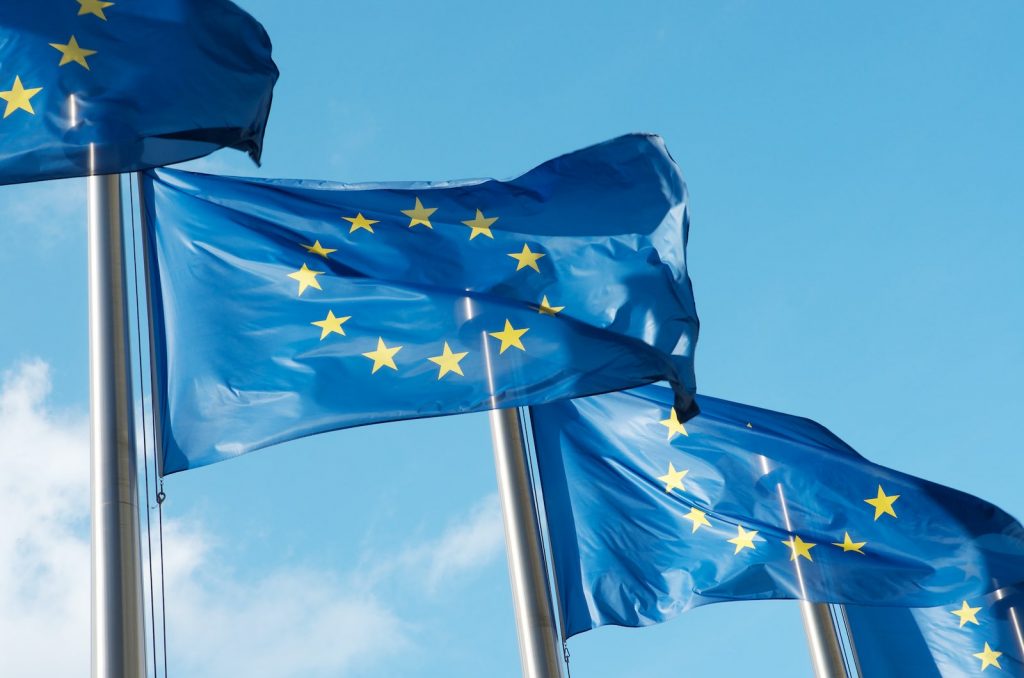
Another rule being rewritten is the latest implementation made by the EU, the Industrial Accelerator Act.
In Q1 2026, the European Commission adopted a legislative proposal to increase demand for low-carbon, European-made technologies and products. The act aims to boost manufacturing, grow businesses, and create jobs in the EU, while also supporting industry’s adoption of cleaner, future-ready technologies.
“One of the big points of focus [in Europe] is permitting,” Giralda Fustes tells this news service.
“Like streamlining the permitting, one-stop shops, trying to get things moving a little bit faster. So that is something that is in the European framework.”
Another example is the RESourceEU Action Plan, designed to accelerate the objectives of the EU’s broader raw materials strategy while safeguarding and expanding primary and secondary supply.
The action plan will support strategic projects and other relevant projects ready to reduce dependency by up to 50% by 2029 for the battery, rare earths, and defence raw materials value chain, given their strategic importance for the energy and digital transitions and defence security.
Like carefully placing eggs into a basket, Europe’s policy approach is about balance – securing supply, scaling domestic capacity, and diversifying partnerships concurrently.

Interest hops across Europe
Antonio Bañon, legal director at Squire Patton Boggs, adds that there is a lot of interest in Europe surrounding investment within the mining and resources sectors.
“For instance, Fortescue (ASX:FMG) opened an office a couple of months ago in Madrid – they’ve been doing a lot of investment here in Spain,” Bañon tells this news service.
“We see a lot of investors from outside of Europe coming here.”
This influx reflects a broader shift in capital flows. As governments are derisking projects through subsidies and faster permitting, investors and major mining companies are increasingly viewing Europe as a viable and stable jurisdiction for long-term resource development.
However, investment is not without hurdles. Compared to regions like Australia, North America, and South America, Europe’s regulatory landscape remains more fragmented and projects are facing longer development timelines.
Europe’s critical minerals race is all about execution. Policymakers are building the framework and projects are advancing through development.
This Easter, Europe’s critical mineral story is one of cautious optimism. The basket is filling, but the race isn’t over just yet.
Write to Aaliyah Rogan at Mining.com.au
Images: Mining.com.au & Unsplash


