


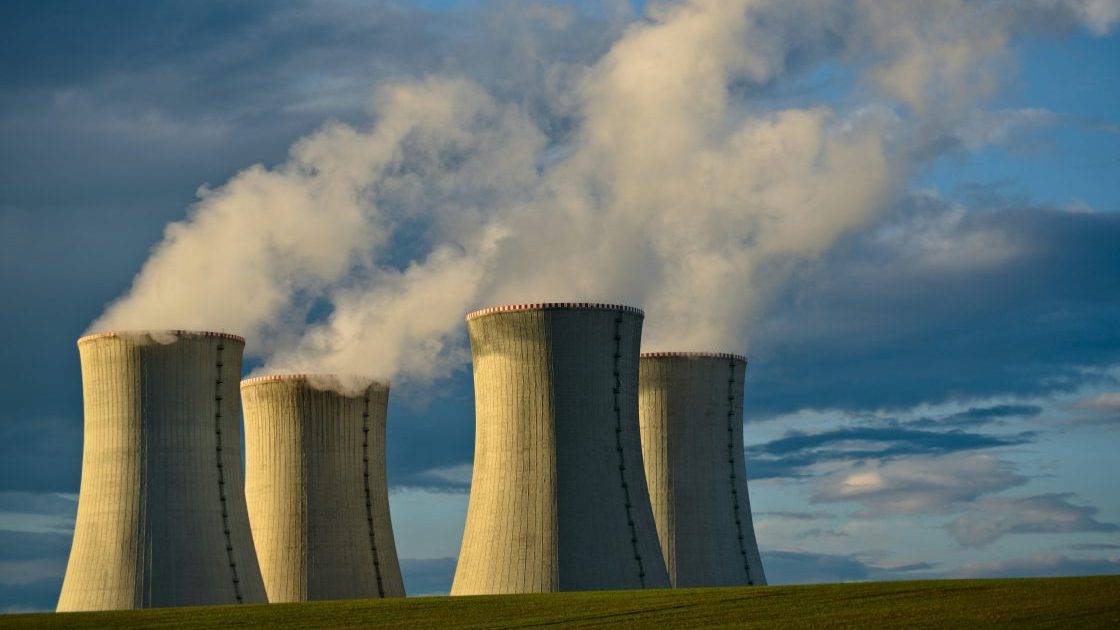
Prime Minister hopeful Peter Dutton whisked into the Diggers & Dealers Mining Forum in Kalgoorlie today (5 August 2024) in an exercise of ‘fission’ for votes in Western Australia and the gold mining capital of the country.
“WA is the economic powerhouse of our country, and we should continue to do things that help not hinder it.”
Speaking on the sidelines of the conference, with those words Dutton reiterates his views, spruiking nuclear power generation in Australia and the role Western Australia plays in uranium mining and exploration.
When Mining.com.au asked the opposition leader how the Liberal Party will begin to fix the confusing and convoluted uranium mining policies across the different states and territories he is unequivocal.
“If we look at what’s happening across the world in relation to uranium demand, of the top 20 economies in the world, Australia is the only one that doesn’t have or hasn’t signed up to nuclear power,” Dutton says.
“So, all of that tells you that there’s going to be an insatiable demand for uranium. We know that the United States, France, Russia, China, the United Kingdom, now Australia, many other countries are using a nuclear propulsion system for their submarines.
“So, the demand is there, why would we be doing ourselves out of an export opportunity? Why would we be stopping ourselves from earning additional income for our country, creating extra jobs? We can do that through opening up uranium exports. We can help take WA to the next level. We can help in South Australia and in the Northern Territory. I just don’t understand the government’s reluctance here.”
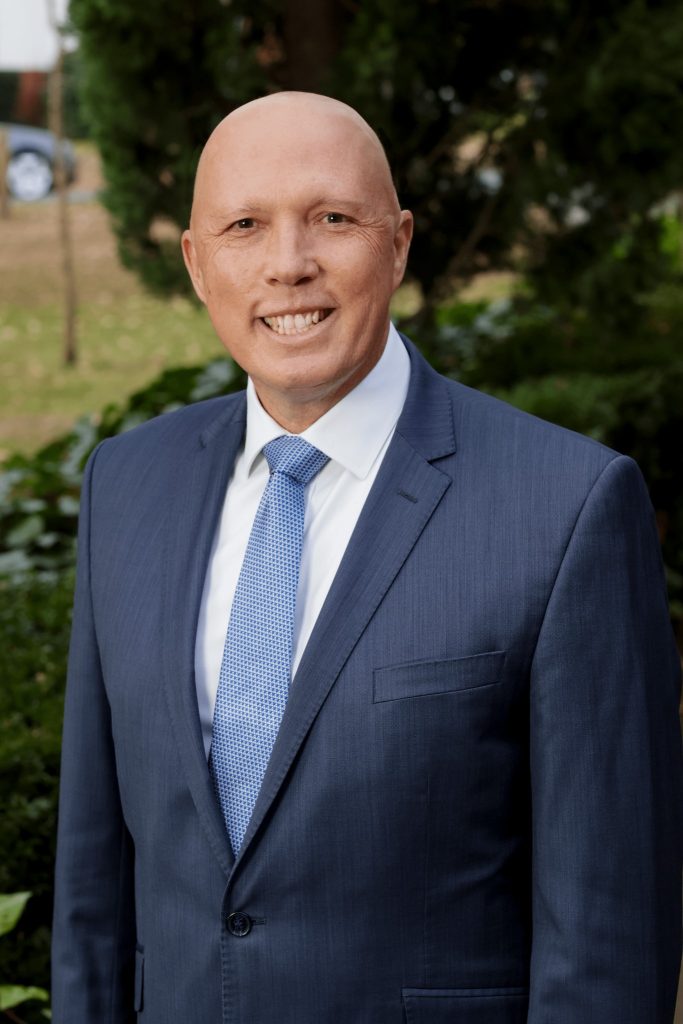
Dutton says the reluctance is ideologically based; however, this is preventing thousands of jobs being created and adds an element of risk to the mining sector at a time when other commodities like nickel are struggling.
Uranium on the other hand is expected to see further demand, which he says puts the country in a solid position to take advantage of that demand.
“And Australia has a natural advantage, and we should take advantage of it.”
In terms of the states and territories retaining their own legislative powers concerning uranium mining and exploration, Dutton says the federal government should be working closely with these authorities and trying to find a synergy.
“Because it’s not just in WA’s interest because of the royalties, it’s in the country’s interest, because we don’t pay for schools and hospitals and the NDIS, the aged care system, our intelligence agencies, without buying royalties and taxes,” he says.
“That’s something we should remind ourselves about. WA is the economic powerhouse of our country, and we should continue to do things that help not hinder it.”
In a recent exclusive interview with Mining.com.au Executive Producer Shae Russell, the President and CEO of Rule Investment Media said Australia has a wonderful uranium endowment, both in terms of natural resources, but also in terms of human resources.
“It’s interesting that perhaps as a consequence of the ‘three mines policy’, Australian people, humans, professionals, have brought wealth and revenues to countries around the world, with the possible exception, of course, of Australia,” Rule told this news service.
“It might be that Australian voters would like to deal with that inconsistency.”
Meanwhile, former deputy prime minister Kim Beazley is proving to still be very much the politician by ducking questions about Western Australia’s uranium mining policy at the Diggers & Dealers Mining Forum today (5 August 2024).
The former deputy prime minister – and this year’s keynote speaker – was asked his views on the state’s convoluted uranium mining policy by a hovering media pack and during a Q&A following his opening speech.
In both instances, Beazley was quick to declare he’ll be “ducking” questions on the topic to avoid being seen publicly criticising Western Australia’s Labor Premier Roger Cook.
Beazley was a minister in the Hawke and Keating Labor Governments (1983-1996) holding, at various times, the portfolios of Defence, Finance, Transport and Communications, Employment Education and Training, Aviation, and Special Minister of State.
In 1984, under Prime Minister Bob Hawke, the then newly elected federal Labor Government introduced the infamous ‘three-mine policy’ regarding uranium. This policy confined Australia’s uranium mining activities to the three sites already operational – Ranger, Nabarlek, and Olympic Dam with a moratorium on new mines opening.
In 2008, Western Australia opened the door to allow mining for uranium but the state government has implemented a ‘no uranium’ condition on future mining leases. Projects granted state ministerial approval by the former government will be allowed to progress.
Yet there is a condition issued in which no future mining leases will be issued. Permitting is allowed but for only four previously approved projects to proceed in Western Australia.
Adding to these inconsistencies, the Western Australian Government prefers there is no uranium mining in the state, which also prohibits uranium exports through its ports with future production instead shipped via Darwin or Adelaide.
Currently, uranium exploration and mining are only permitted in South Australia, the Northern Territory, and Tasmania. Exploration is allowed in Queensland and New South Wales but mining uranium is not.
The convoluted policy has meant uranium is the only mineral subject to varying policies in different states and territories.
Yet following decades of what many say is policy incertitude, Dutton and the Coalition unveiled seven sites in five states where it proposes to build nuclear power stations should it come to power at the next federal election (to be held on or before 27 September 2025).
Write to Adam Orlando at Mining.com.au
Images: Stock, Facebook


