



Gold is usually viewed as a safehaven asset and a store of wealth, but it has now shown its ability to be more effective than platinum in the treatment of cancer and potentially even go as far as curing it.
Gold miners and refiners are collaborating with university researchers in Melbourne to find ways to beat cancer, with ABC Bullion donating 250 grams of pure Australian gold – worth over $45,000 at current gold prices – to support a study on the effectiveness of a new gold-based compound in the treatment of cancer.
Meanwhile, the world’s third largest gold producer, Agnico Eagle Mines (NYSE:AEM), has also taken a trip out to the RMIT University labs to explore collaboration opportunities.
Work undertaken by researchers at the university shows gold-based drugs can slow tumour growth in animals by 82% compared to 29% for standard chemotherapy drugs like cisplatin.
Cisplatin was developed and approved in 1978 and was the first platinum-based chemotherapy drug to treat a range of cancers. The drug contains platinum ion compounds.
The study, led by Distinguished Professor Suresh Bhargava, demonstrated that the new gold-based compound is 27 times more potent against cervical cancer cells in the lab than cisplatin.
The use of the gold-based compound has also shown to be 3.5 times more effective in fighting prostate cancer and 7.5 times more effective against fibrosarcoma cells in the lab, according to the study – which was published in the European Journal of Medicinal Chemistry.
The gold compound was chemically designed to be highly reactive and biologically active because gold in its traditional form has little or no reaction to other substances, which is why it is used in jewellery and coins.
Researchers then modified the compound so it would be chemically reactive to an enzyme abundant in cancer cells.
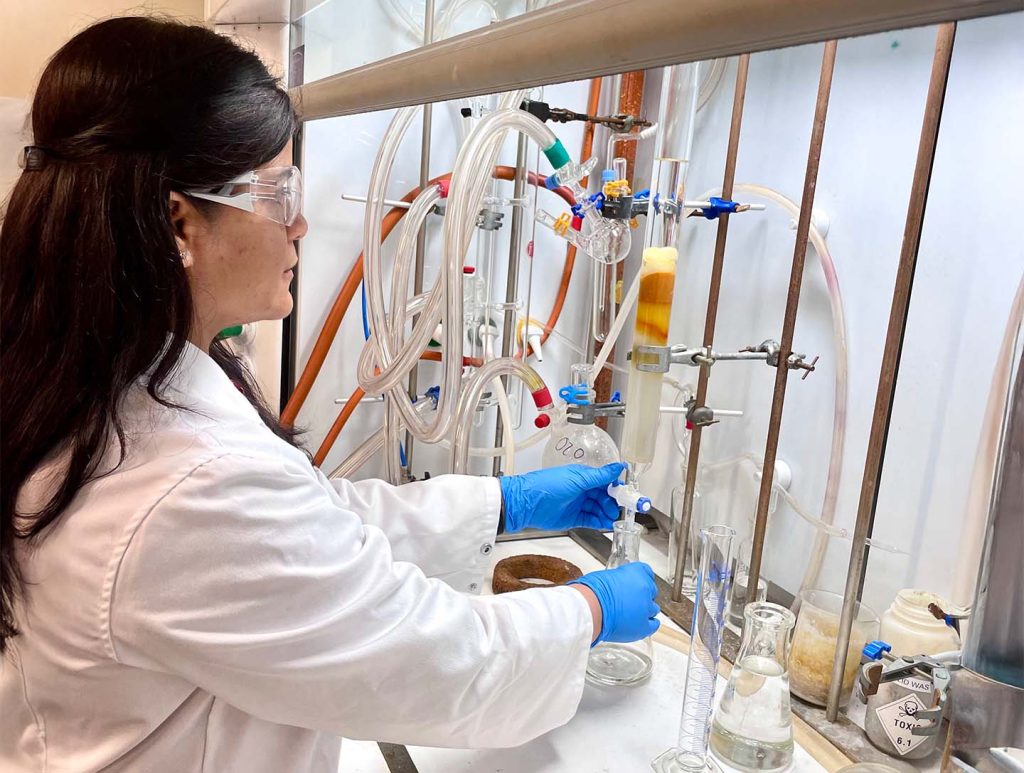
According to RMIT University, by blocking this protein’s activity, the gold compound effectively shuts down cancer cells before they can multiply or develop drug resistance.
Bhargava says the highly targeted approach minimises the toxic side effects seen with the platinum-based cisplatin, which targets DNA and damages both healthy and cancerous cells.
“Their selectivity in targeting cancer cells, combined with reduced systemic toxicity, points to a future where treatments are more effective and far less harmful,” he says.
The research also showed promising results in treating ovarian cancer, which is known to develop resistance to cisplatin treatment in many cases.
Project co-lead, Distinguished Professor Magdalena Plebanski, says drug resistance is a significant challenge in cancer therapy.
“Seeing our gold compound have such strong efficacy against tough-to-treat ovarian cancer cells is an important step toward addressing recurrent cancers and metastases,” Plebanski says.
The gold-based compound has now been patented in the US and is ready for further development towards potential clinical application.
Going beyond just treatment of the disease, University of South Australia researchers are investigating the use of gold nanoparticle technology in stopping metastatic cancer altogether.
A research team led by Associate Professor Ivan Kempson has discovered a way to cripple a major DNA damage repair mechanism that cancers use to recover between doses of radiotherapy and chemotherapy.
The therapy involves delivering specifically designed tiny gold nanoparticles direct to the cancer cells and not circulating them through the rest of the body.
“All cells have this DNA damage repair ability, including cancers – which is a major treatment issue in the fight to cure cancer, particularly metastatic cancers that have spread to other parts of the body and are much more aggressive,” Kempson says.
“Radiotherapy and chemotherapy work by delivering a toxic blow to cancer cells to damage them repeatedly until they die. Unfortunately, healthy cells are also damaged and they require time between treatments to recover.
“We want healthy cells to repair between treatment sessions but we need to stop the cancers from having the same opportunity to repair.
“Using our discovery to target this biological pathway, we have an opportunity to deliver a potent co-therapy that can stop cancer cells accessing their repair mechanism.”
Write to Angela East at Mining.com.au
Images: RMIT University


