


Here’s a data point that’s going to surprise a lot of people. China imported a record amount of iron ore in June.
That’s despite the conflict in Iran, US President Donald Trump’s accusation of election interference, and the domestic economy’s weak growth rate.
The import figure for June was 112.7 million tonnes. That’s up 15% from May and up 6% year-on-year, according to Breakwave Advisors.
China is doing this even though steel production is contracting and iron ore port inventories are sitting at around a large 160 million tonnes.
Most observers assume that imports drive iron ore production.
The team at Breakwave says that most in the analyst community have the dynamic backwards.
China imports what the global iron ore miners produce and gladly takes the lot.
Brazil exported a record amount of iron ore last month, according to Breakwave. Recent quarterly updates from BHP Group (ASX:BHP) and Rio Tinto (ASX:RIO) also show that they are hitting record iron ore shipments too.
There’s every reason to think this is going to continue too.
The Financial Times reports:
“China’s top leaders are expected to decide on additional stimulus measures for the world’s second-largest economy this month after a sharp slowdown in second-quarter GDP.
“The leaders are expected to focus on speeding up bond issuance at their next Politburo meeting to enable greater infrastructure spending in an economy in which exports are performing strongly but domestic demand is weak.”
The People’s Bank of China is boosting liquidity injections already, according to Bloomberg last week.
How does this play out on the ASX?
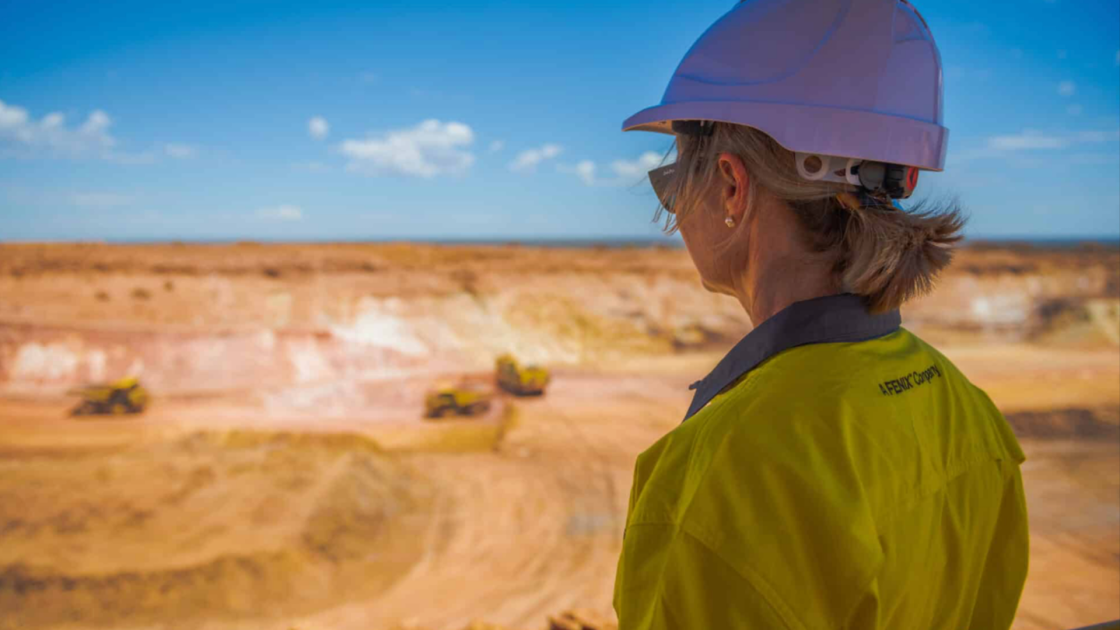
One example is via Fenix Resources (ASX:FEX). This is a junior iron ore miner that released its quarterly report today.
It too announced a record June quarter for iron ore production, hauling, and shipping.
Fenix is also investing in future projects. The company told this to the market:
“Fenix’s customers continued to support increased tonnages during the June quarter, with recent Beebyn-W11 offtake discussions demonstrating strong support for the company’s products.
“Forward-looking customer support remains evident across all Fenix products and, while broader market sentiment remains cautious into FY27, the company maintains a positive outlook based on Fenix product quality, customer relationships, and flexibility of supply.”
There are few iron ore juniors still in production and/or development.
Another producer is Grange Resources (ASX:GRR) in Tasmania. One developer is Hawsons Iron (ASX:HIO). It recently released its updated Prefeasibility Study.
There is also the larger firm Champion Iron (ASX:CIA) that operates out of Québec, Canada.
BHP, Rio Tinto, and Fortescue (ASX:FMG) tend to attract the most coverage when it comes to iron ore. Smaller juniors make a profitable contribution to the industry as well.
The recent Australian Government quarterly report on the resource industry says that Australian iron ore output is likely to peak in the next two years. New mines and expansions are replacing exhausted mines.
Rio Tinto also highlighted in its recent quarterly report that rising diesel prices are making some higher-cost iron ore miners unprofitable.
That means any Chinese stimulus would be a welcome relief for the industry and possibly an unexpected tailwind for the iron ore price in the second half of 2026.
Write to Callum Newman at Mining.com.au
Image: Fenix Resources


