
MDF Global MDF Global
Apple’s iPhone boom highlights critical minerals powering smartphones•Presenting a united front for Queensland’s copper sector•Thailand seeks Myanmar mine access amid arsenic pollution•Egypt to set up state-backed company to license artisanal gold miners, free detainees•Brixton closes $7.4 million raise for Thorn, Langis projects•Heliostar banks record $78.7 million for Ana Paula push•Mining giants bet billions on 2030 supply crunch•Gunnison Copper reports Q3 output, revenue surge•Triumph Gold targets $15.46 million for Yukon push•African Rainbow Minerals faces a jobs dispute at Nkomati mine•Angola seeks 10% stake in De Beers under Anglo’s proposed exit•Gold price rebounds but heads for biggest weekly loss since June•Teck copper strike reaches BC port as operator sues union•Copper benchmark rocked by miner-smelter tug-of-war•Zimbabwe mining bill targets community, environmental safeguards•Mount Isa critical minerals hub secures Feasibility Study funding•Eramet initiates $814.5 million capital raise to reduce debt•Richemont backs natural gemstones, declines De Beers comment•‘Tis the season for administration as Comlek falls a second time•OceanaGold Philippines trials wireless blasting at Didipio mine Apple’s iPhone boom highlights critical minerals powering smartphones•Presenting a united front for Queensland’s copper sector•Thailand seeks Myanmar mine access amid arsenic pollution•Egypt to set up state-backed company to license artisanal gold miners, free detainees•Brixton closes $7.4 million raise for Thorn, Langis projects•Heliostar banks record $78.7 million for Ana Paula push•Mining giants bet billions on 2030 supply crunch•Gunnison Copper reports Q3 output, revenue surge•Triumph Gold targets $15.46 million for Yukon push•African Rainbow Minerals faces a jobs dispute at Nkomati mine•Angola seeks 10% stake in De Beers under Anglo’s proposed exit•Gold price rebounds but heads for biggest weekly loss since June•Teck copper strike reaches BC port as operator sues union•Copper benchmark rocked by miner-smelter tug-of-war•Zimbabwe mining bill targets community, environmental safeguards•Mount Isa critical minerals hub secures Feasibility Study funding•Eramet initiates $814.5 million capital raise to reduce debt•Richemont backs natural gemstones, declines De Beers comment•‘Tis the season for administration as Comlek falls a second time•OceanaGold Philippines trials wireless blasting at Didipio mine

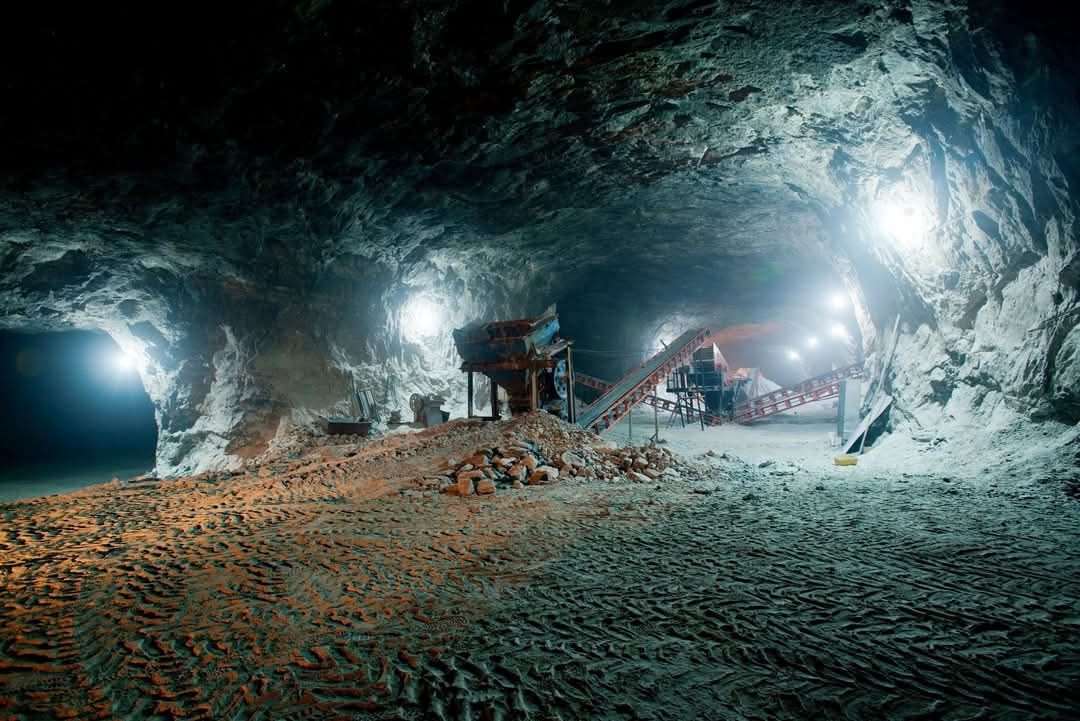
Brisbane start-up unveils underground tunnelling technology

A Brisbane-based mining technology company, Proprietary Mining Solutions (PMS), has developed a breakthrough cable bolt anchor that makes primary ground support in underground tunnelling easier, faster, and safer.

A patented anchor system speeds up development by allowing mine operators to immediately tension ground support cables instead of waiting for grout to set, noting this process has remained largely unchanged in over four decades. 

The technology aims to reduce installation time by up to 50%. It also locks bolts in place instantly, preventing them from falling out before grouting — a common hazard in underground operations.

Streamlining the bolting process, the technology helps companies build tunnels more efficiently, reduce labour costs, and access ore bodies sooner.

PMS Chief Technical Officer Rob Wald, who has 14 years of experience in cable bolting, developed the anchor after recognising inefficiencies in the traditional method, which has remained unchanged for nearly 40 years. 

“Our anchor fixes the cable in place instantly, so crews don’t need to wait for grout to cure before moving on,” Wald said. “This not only saves time and money but also improves safety by eliminating the risk of cables falling before installation is completed.”

According to Wald, the new system could potentially save up to 200 days over a five-year mine development cycle, allowing companies to reach production faster.

Proven performance in the field

Recent underground trials confirmed the system’s effectiveness. The anchor successfully secured cables in place with no movement, and tests showed it could withstand 21 tonnes of force — four times the standard strength required for primary ground support.

The installation process remains largely the same as conventional methods:

  • Drill a 6m hole using a 57mm drill bit.
  • Insert the cable with the anchor and guidance cap into the hole.
  • Grout the hole using a calibrated hose, just like traditional systems.
  • Immediately plate and tension the cable — eliminating the usual 24-hour hold time.

With successful trials completed, PMS is now in discussions with several Australian mining operators and exploring global commercialisation in Africa, South America, and Europe.

“Our approach is pragmatic — we’re seeking pilot programs with agreed benchmarks before moving into full supply agreements,” a PMS spokesperson tells Mining.com.au.

PMS is also working on further innovations, including a system that will allow drill rigs to install, plate, and tension bolts in a single pass, removing the need for extra crews.

The company is now offering live demonstrations and testing videos for potential industry partners.

Write to  Dan Petrie at Mining.com.au 

Images: Proprietary Mining Solutions

Add to Watch List:
Author Image
Written By Dan Petrie
Dan Petrie is Mining.com.au’s Head of Data, a former data editor at Bloomberg LP, analyst at Macquarie Bank and contributing data expert to Google Digital News Academy.