


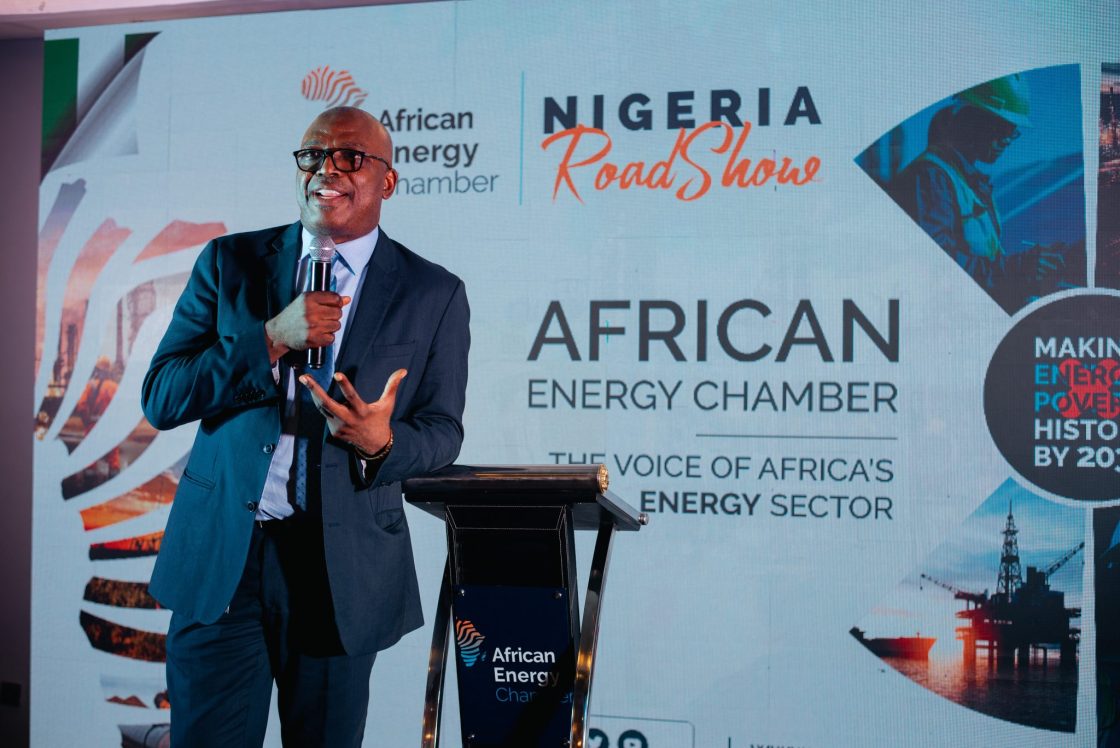
According to the African Energy Chamber’s State of African Energy 2026 Outlook, the nation is set to play a key role in the global energy transition as demand for critical minerals accelerates.
The report identifies cobalt, lithium, copper, and platinum group metals as essential inputs for clean energy technologies, including electric vehicles, renewable power generation, and energy storage.
Global demand for these minerals could rise by up to five times by 2035 compared with 2023 levels, while supply constraints are expected to emerge later this decade.
In 2024, the continent led global production of cobalt, copper, gold, and PGMs, while lithium output expanded rapidly from hard-rock spodumene deposits. The Democratic Republic of Congo (DRC), Zambia, Zimbabwe, Mali, Namibia, South Africa, and Morocco are identified as key producers.
The DRC accounted for more than half of global cobalt production in 2024, led by Kisanfu, Tenke Fungurume, and Kamoto.
African Energy Chamber notes that the DRC is pursuing downstream processing to convert cobalt hydroxide into higher-value metal, alongside measures on traceability and environmental standards. Temporary export bans in 2025 helped stabilise prices, with the government now considering more flexible export controls.
Africa’s mineral wealth
Africa produced 124,230 tonnes of lithium carbonate equivalent in 2024, with Zimbabwe the leading producer. The continent hosts 26.7 million tonnes of identified lithium resources, or about 5% of global total.
Production costs remain competitive, ranging from US$250 to US$650 per tonne of spodumene concentrate, compared with around US$800 per tonne in Australia. Several countries, including Mali, Ghana, and Zimbabwe now require state equity participation in lithium projects.
International competition for supply is also intensifying. China remains the largest foreign investor in African mining, while the United States and European Union have increased engagement through strategic partnerships and infrastructure investment. The Lobito Corridor, linking Zambia to Angola’s Atlantic coast, is highlighted as a key export route backed by a US$553 million loan from the US Development Finance Corporation and EU support.
The African Energy Chamber frames the continent’s mineral base as a strategic lever for industrial growth.
Executive Chairman NJ Ayuk says Africa’s resources can underpin global decarbonisation if developed responsibly.
“Africa’s mineral wealth is not just a resource; it is a strategic asset for the global energy transition,” Ayuk says.
This content was created with AI assistance and human editing.
Write to info@mining.com.au at Mining.com.au
Images: African Energy Chamber

