


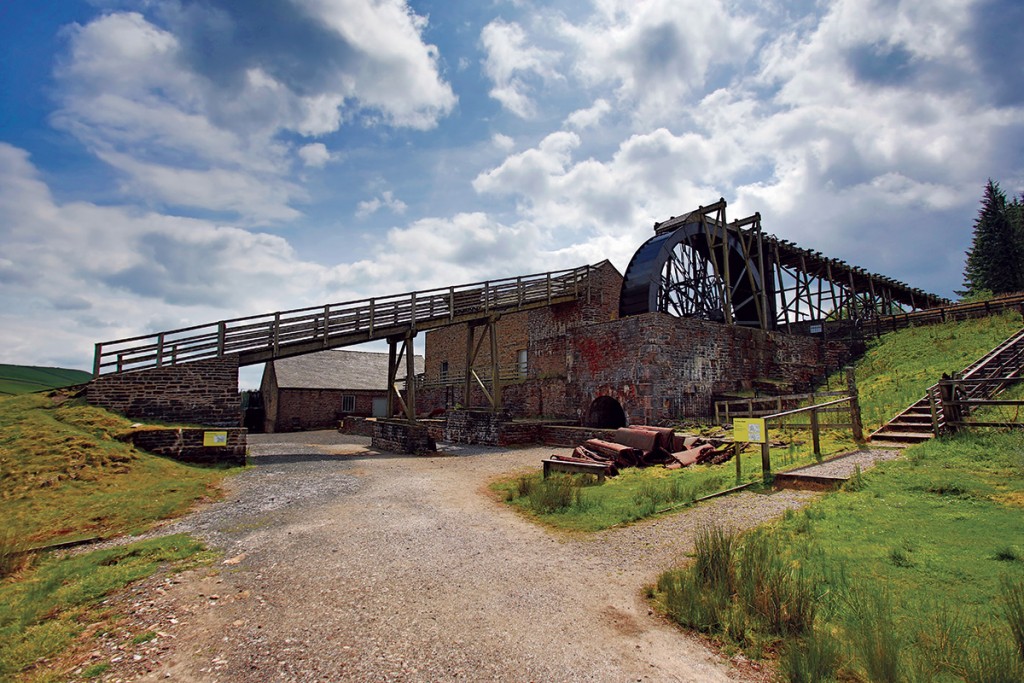
IN LONDON: Natural resources developer Weardale Lithium has secured funding through the UK Government’s DRIVE35 Scale-Up: Feasibility Studies competition, supporting the development of the company’s geothermal lithium project in County Durham.
The £4 billion ($7.6 billion) DRIVE35 program is designed to accelerate investment in zero-emission vehicle technologies and strengthen the UK’s end-to-end automotive and battery supply chain.
Weardale will use the funds to conduct a detailed Feasibility Study to map its geothermal lithium-bearing brine field within the North Pennine Orefield, as well as de-risk future commercial deployment of direct lithium extraction (DLE) technology and inform long-term wellfield design and commercial production strategy.
The £700,000 Feasibility Study project will refine and de-risk the company’s approach to scale up to cash flow positive production. The project will also include exploration to define fracture networks hosting lithium-bearing brines.
Weardale adds that the interpretation will be used to refine the existing 3D geological model and optimise wellfield development for future commercial production.

CEO Stewart Dickson says the project directly aligns with the UK’s critical minerals strategy and wider battery strategy.
“By developing low-carbon DLE integrated with onsite conversion to battery-grade lithium carbonate, we are positioning the northeast at the forefront of the UK’s emerging battery materials supply chain while creating high-value jobs and long-term economic benefits for the region,” Dickson says.
Once fully commercialised, the project is expected to support regional economic activity through employment, supply chain engagement, and inward investment, while also contributing to the UK’s strategic objective of building a secure, sustainable, and globally competitive battery materials ecosystem.
As Mining.com.au reported, the UK currently produces none of the 34 minerals listed as critical in the nation’s Critical Minerals Intelligence Centre’s 2024 Criticality Assessment.
As the UK gets planning, the urgency for these minerals is clear. By 2035, UK demand for copper is forecast to double, while lithium demand is expected to surge by 1,100%.
Against this backdrop, the nation’s government unveiled its Vision 2035: Critical Minerals Strategy in November 2025, setting out an ambition to turn supply vulnerability into an economic opportunity.
Under the plan, the UK aims to meet at least 10% of annual demand for critical minerals domestically by 2035, including producing 50,000 tonnes of lithium per year.
A further 20% of demand is expected to be through recycling, while no more than 60% of total supply should come from any single country.
Weardale Lithium is seeking to provide a secure and sustainable domestic lithium supply from underground geothermal waters in Weardale, County Durham, UK.
Write to Aaliyah Rogan at Mining.com.au
Images: Weardale Lithium


