Washington aims to use peace diplomacy in Myanmar as a way to expand US influence and potentially gain access to the country’s rare earth deposits, according to a recently published State Department strategy document.
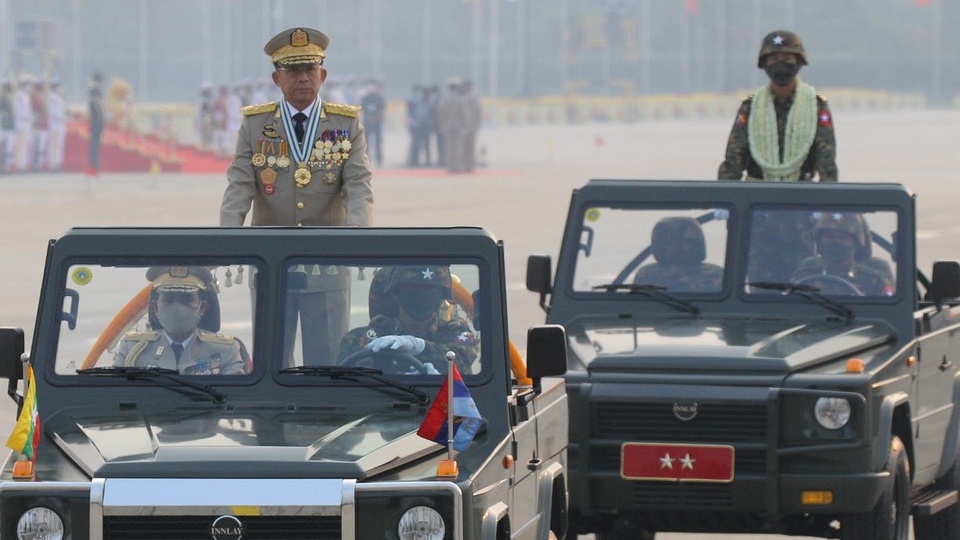
Reuters reported last month that US officials have quietly held talks with Myanmar’s nominally civilian government, run by the former general who led a 2021 coup, triggering a civil war that the United Nations estimates has killed 100,000 people and displaced more than 3.5 million.
The re-engagement, involving the State Department’s top intelligence official Michael Vance, marks a departure from years of US policy aimed at isolating the military. The talks have included discussions of how to gain access to rare earth minerals mainly located in conflict-affected areas and currently exported to China.
But an integrated country strategy for the US mission in Myanmar, previously known as Burma, is unusually explicit about how Washington envisions US companies gaining a foothold in the country through involvement in negotiations involving the country’s myriad armed groups, which include pro-democracy groups and ethnic insurgents who have in some cases fought the military for decades seeking autonomy.
US seeks peace by 2030
The US mission to Myanmar will work toward a ceasefire that “presents a pathway to a lasting peace agreement by 2030,” it says.
It says the work includes facilitating “at least three multi-stakeholder forums that produce concrete agreements or policy proposals advancing fiscal federalism and territorial demarcation in Burma, which will create opportunities to access Burma’s bountiful rare earth resources and combat scam centers.”
The strategy document does not spell out whether the US intends to lift sanctions or address other compliance concerns that deter investment in Myanmar.
The State Department did not respond to a request for comment on the document, which says it was approved on 31 August but was posted on the department’s website more recently.
The US maintains financial sanctions on coup leader-turned-president Min Aung Hlaing, others in the military-backed government and businesses connected to them, but has long stressed it wants to see legitimate, responsible business in the country. The Trump administration has removed several Myanmar nationals and companies from its sanctions list.
The strategy says the mission will work to increase US exports to reduce Washington’s trade deficit with the impoverished nation. To that end, the embassy aims to secure “at least three major commercial or investment deals valued above US$5 million each” for US companies, it says.
The document also prioritises law enforcement cooperation to combat online scam centers that target Americans and expanded cooperation with authorities to repatriate Myanmar nationals from the US.
(Reporting by Simon Lewis; Editing by Don Durfee and Rod Nickel)
Image: Mil.ru | Wikimedia Commons, under licence CC BY 4.0