
MDF Global MDF Global
Japan, US deepen seabed mining cooperation•Rio Tinto pledges $369.9 million for Panguna•China rare earth producers’ profits surge on supply caps•Hindalco considers tripling copper recycling capacity•Chile weighs private partners for Codelco copper mines•Report flags illicit gold flows into UAE despite controls•Semirara coal mine auction raises Philippine supply concerns•Pope Leo condemns Amazon mining, deforestation•Australia wary of iron ore trade manipulation•Asia drives 73% of global nuclear growth•Partnerships, permitting, and potential in British Columbia•Many Peaks locks in $70 million for Ferké FID•Gorilla pounces on IGO’s Cosmos Project•Fed rate hike concerns continue to weigh on gold•Tungsten joins antimony and gold at Krakatoa’s Zopkhito Project•Rio Tinto invests in Weipa’s bauxite industry as exports rise•Legend completes Pyrophyllite Hill drilling, intersects pyrite•Aureka graduates from explorer to producer•Skylark finds broad gold beyond Ehuasso resource•Mammoth to secure stake in tungsten project amid supply chain push Japan, US deepen seabed mining cooperation•Rio Tinto pledges $369.9 million for Panguna•China rare earth producers’ profits surge on supply caps•Hindalco considers tripling copper recycling capacity•Chile weighs private partners for Codelco copper mines•Report flags illicit gold flows into UAE despite controls•Semirara coal mine auction raises Philippine supply concerns•Pope Leo condemns Amazon mining, deforestation•Australia wary of iron ore trade manipulation•Asia drives 73% of global nuclear growth•Partnerships, permitting, and potential in British Columbia•Many Peaks locks in $70 million for Ferké FID•Gorilla pounces on IGO’s Cosmos Project•Fed rate hike concerns continue to weigh on gold•Tungsten joins antimony and gold at Krakatoa’s Zopkhito Project•Rio Tinto invests in Weipa’s bauxite industry as exports rise•Legend completes Pyrophyllite Hill drilling, intersects pyrite•Aureka graduates from explorer to producer•Skylark finds broad gold beyond Ehuasso resource•Mammoth to secure stake in tungsten project amid supply chain push

Thailand combats foreign waste with proposed import ban

Thailand’s Customs Department has proposed a ban on imports of ferrous, copper, aluminium, and rubber scrap.

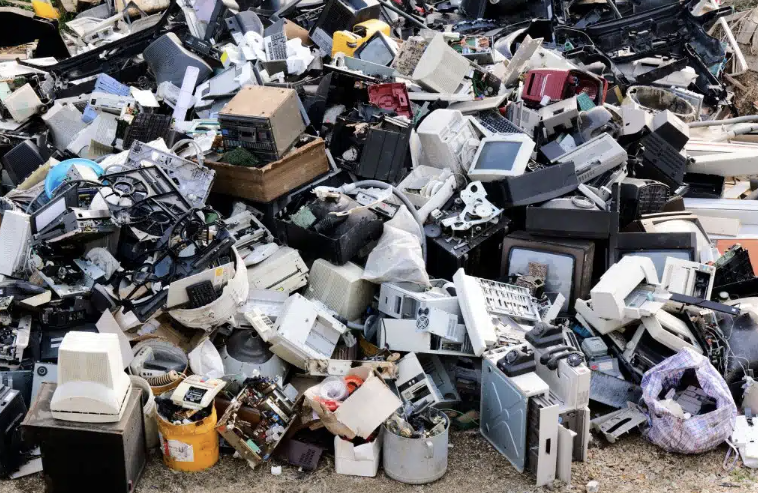
Scrap materials are often mixed with hazardous electronic waste (e-waste), plastics, or toxic chemicals. Discarded products such as cellphones, batteries, electronics, or printed circuit boards are common forms of e-waste.

E-waste contains various metals such as gold, copper, silver, and rare earths that can be extracted for reuse. However, it also contains hazardous substances that are frequently disposed of in landfills.

A six- to 12-month transition period has been proposed in Thailand to help combat the smuggling of electronic and hazardous waste.

Customs has intensified physical inspections of containers declared as metal scrap and other high-risk cargo, as reported by Shanghai Metals Market (SMM).

Tighter inspections can delay raw material clearances and increase logistics costs in the near term, potentially supporting domestic copper and aluminium scrap prices in Thailand.

Significance behind Thailand’s ban proposal

Waste trafficking is a growing concern across Southeast Asia.

Despite its severity, the crime is considered low-risk and large volumes of shipments continue to arrive. Thailand’s busiest port alone — Laem Chabang — handles an average of 10,000 shipping containers a day.

Hazardous materials can contaminate Thailand’s agricultural lands, rivers, and groundwater, while open burning can cause further air, land, and water pollution.

Between April 2025 and March 2026, Thai authorities detected hundreds of suspicious cargo containers. Working with customs officers, they seized 714 containers transporting illegal waste.

This news comes amid Thailand’s decision to push ahead with three major potash projects. The push seeks to reduce reliance on imported fertiliser and develop a domestic production base in the country’s northeast.

Thailand currently imports about 5 million tonnes (Mt) of chemical fertiliser annually, including 1Mt of potash fertiliser — worth 14 billion baht ($591.5 million).

If all three projects meet their targets, potash production in the nation could reach about 3.2Mt per year, leaving an estimated 2.2Mt available for export after domestic demand is met.

The Thai Government says these projects could generate more than 30 billion baht in annual export revenue if they reach planned capacity.

Write to Aaliyah Rogan at Mining.com.au

Main image: Earth.org

Add to Watch List:
Author Image
Written By Aaliyah Rogan
Originally from New Zealand, Aaliyah brings several years of experience covering the resources sector, with a focus on companies, commodities and global mining markets. Her reporting has spanned European markets and the evolving global mining landscape, with a focus on the stories and market forces driving change across the sector.