


Gold markets differ from most commodities, with pricing driven by investment demand, macroeconomic conditions, and long-term supply dynamics.
Context and background
Gold holds a unique position in global markets. It is both a mined commodity and a financial asset, traded by investors, central banks, and industry participants.
Unlike bulk commodities such as iron ore or coal, gold is rarely consumed in a way that removes it permanently from supply. Most of the gold ever produced remains in circulation in some form.
Understanding how the gold market works requires examining both its physical supply and its role in global financial systems.
Gold supply: Mining and recycling
Gold supply comes from two primary sources: mine production and recycling.
Mine production involves extracting gold from deposits through exploration, development, and mining operations. Annual global production remains relatively stable compared with other commodities, as new discoveries are limited and existing mines decline over time.
Recycling represents a significant portion of supply. Scrap gold, including jewellery and industrial materials, can be melted and refined for reuse. Recycling activity often increases when gold prices rise, as holders are more willing to sell.
Because gold is durable and not consumed, total above-ground supply accumulates over time. This distinguishes gold from commodities where supply must be continually replenished.
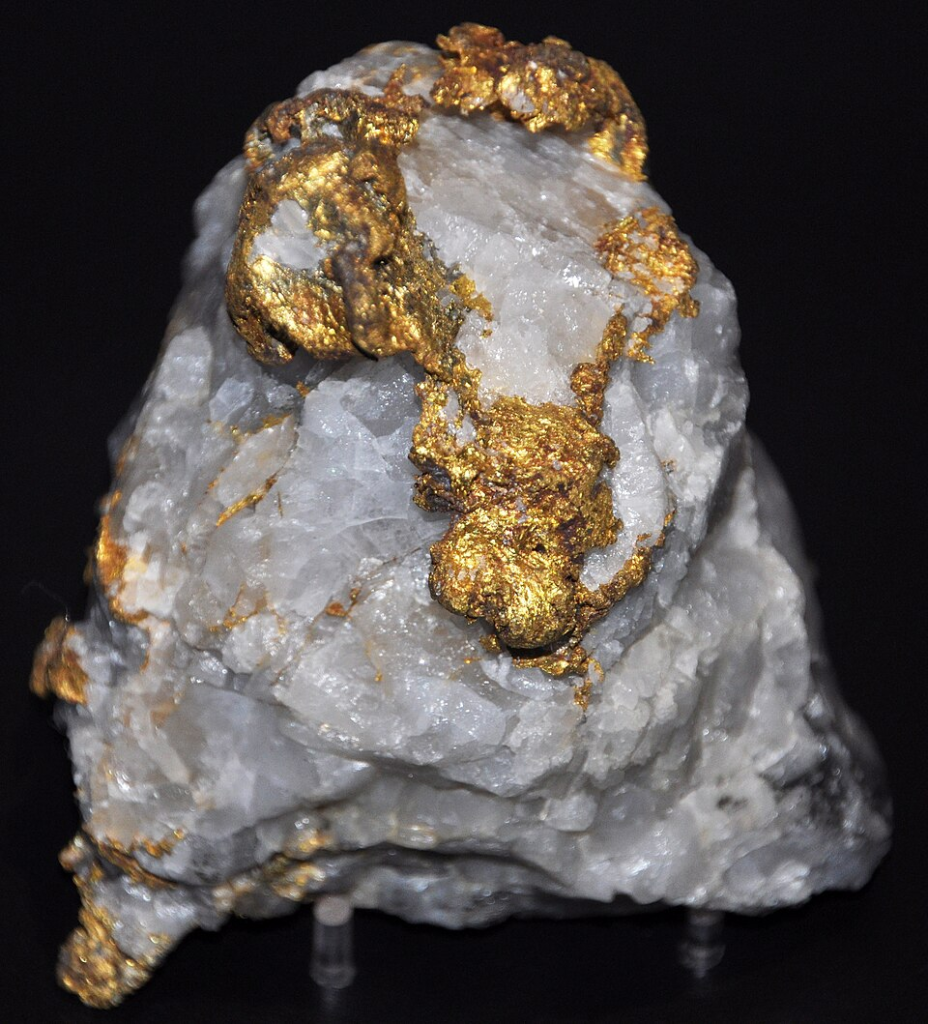
Gold demand: Investment, jewellery, and central banks
Gold demand comes from several distinct sources.
Investment demand plays a central role. Investors buy gold as a store of value, particularly during periods of economic uncertainty. Gold-backed financial products, including exchange-traded funds, provide access to the market without requiring physical ownership.
Jewellery demand accounts for a large share of global consumption. Cultural and economic factors influence jewellery demand, particularly in countries such as India and China.
Central banks also hold gold as part of their foreign exchange reserves. Purchases and sales by central banks can influence market sentiment and contribute to long-term demand trends.
Industrial demand for gold exists but represents a smaller portion of total consumption compared with other commodities.
How gold is priced
Gold is traded globally, with pricing typically referenced in US dollars per ounce. The gold price reflects a combination of physical market activity and financial trading.
Major trading centres include London and New York, where gold is bought and sold through both physical and derivative markets.
Unlike many commodities, gold pricing is heavily influenced by investor behaviour. Financial markets, including futures and exchange-traded products, play a significant role in determining short-term price movements.
As a result, gold prices can respond quickly to changes in economic conditions and market sentiment.
Macroeconomic drivers of gold prices
Gold behaves differently from most commodities because its price is closely linked to macroeconomic factors.
Key drivers include:
- Interest rates
- Inflation expectations
- Currency movements, particularly the US dollar
- Geopolitical uncertainty
When interest rates are low, the opportunity cost of holding gold decreases, which may support demand. Higher inflation can also increase interest in gold as a store of value.
Gold often strengthens during periods of economic or political uncertainty, as investors seek assets perceived as stable.
Gold as a financial asset
Gold is widely regarded as a store of value rather than a consumable commodity.
Unlike industrial metals, gold does not depend primarily on economic growth for demand. Instead, it often performs differently from risk assets such as equities.
This characteristic makes gold an important component of diversified investment portfolios. It may act as a hedge against market volatility or currency weakness.
Because of this financial role, gold markets are influenced as much by investor sentiment as by physical supply and demand.
Comparison with other commodities
Gold differs from most mined commodities in several ways.
Bulk commodities such as iron ore are consumed in industrial processes, linking demand closely to economic activity. Base metals such as copper depend heavily on construction and manufacturing.
Gold, by contrast, is not consumed at the same rate. Its accumulated stock remains available, and demand is driven largely by investment and wealth preservation.
This distinction explains why gold prices may rise during economic downturns, while industrial commodities often weaken.
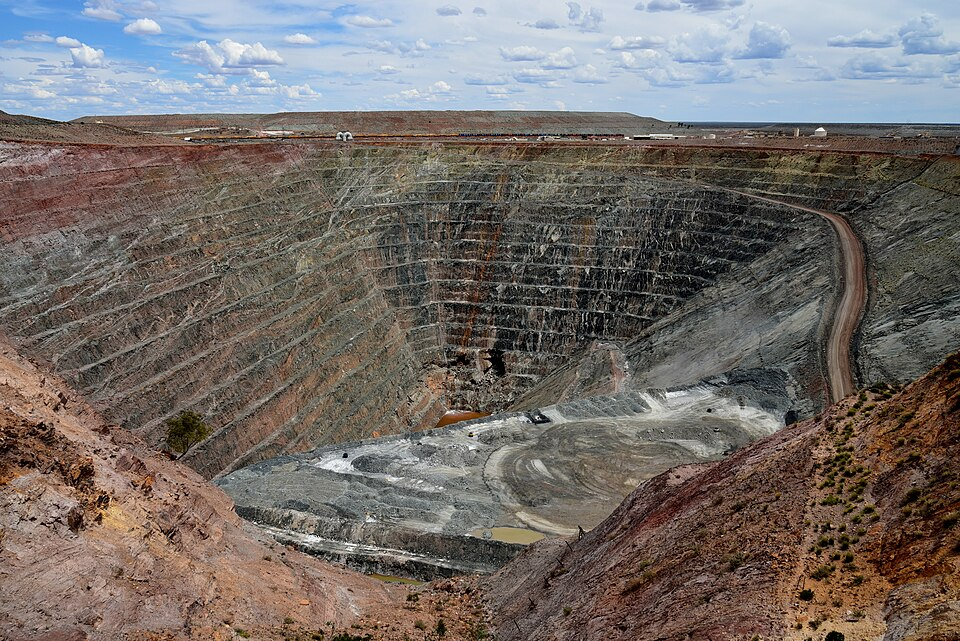
Supply constraints and long-term trends
Gold supply responds slowly to price changes.
Developing new mines takes years of exploration, permitting, and construction. As a result, increases in price do not immediately translate into higher production.
Existing mines also face declining grades over time, which can limit output and increase costs.
These factors contribute to relatively stable supply and reinforce the importance of demand-side drivers in determining price.
Why it matters
Gold’s unique characteristics influence how gold mining companies are valued.
For investors, understanding the gold market helps explain:
- Why gold prices respond to macroeconomic conditions
- Why gold equities may behave differently from other mining stocks
- Why exploration and production decisions depend on long-term price assumptions
Gold projects are evaluated not only on geological factors but also on broader financial conditions.
Conclusion
The gold market combines elements of a physical commodity market and a financial system. Supply comes from mining and recycling, while demand is driven by investment, jewellery, and central banks.
Unlike most commodities, gold prices are closely linked to macroeconomic factors and investor sentiment. Understanding these dynamics provides essential context for interpreting gold market movements and evaluating gold-focused mining projects.
Images: Wikimedia Commons & Unsplash
This resource is made possible through our collaboration with MDF Global, reflecting its ongoing commitment to elevating the standard of discourse within the Australian resources sector. Together, we are providing the specialised knowledge necessary for the next generation of industry leaders and investors to identify value in an increasingly complex global landscape.