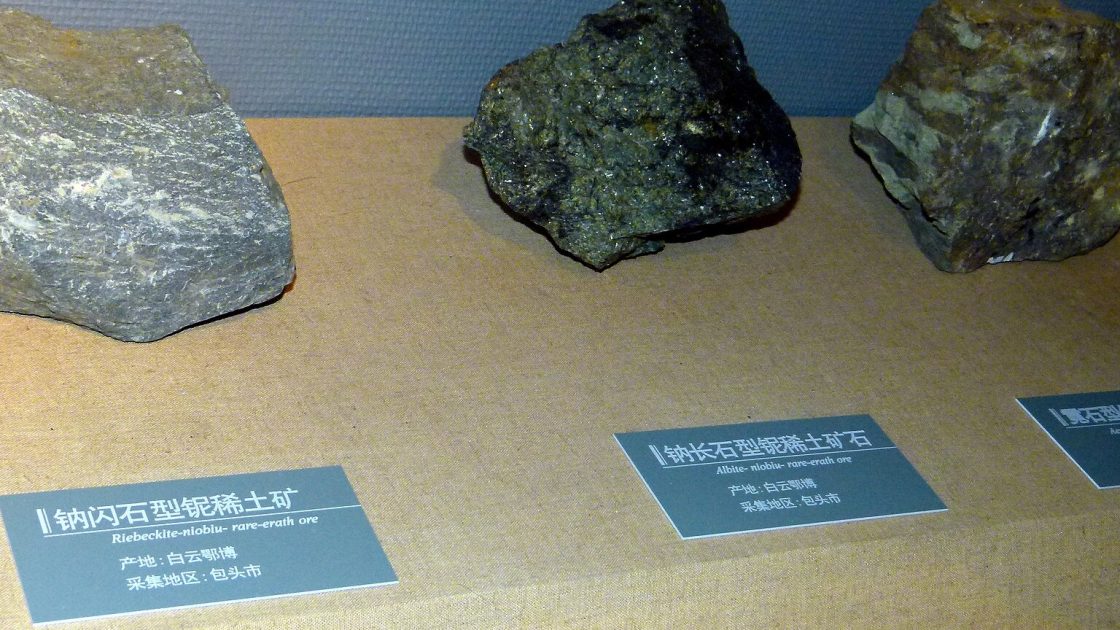
China did not ship any gallium, dysprosium, terbium, or yttrium to Japan in June, extending a months-long export halt of key critical minerals amid ongoing diplomatic tensions between the two countries.
Chinese customs data cited by Reuters showed no shipments of the four minerals to Japan during the month, cutting off supplies of key inputs to what is the world’s largest rare earth magnet market outside China.
Gallium is used in semiconductors and magnets, while dysprosium, terbium, and yttrium are critical inputs for high-performance permanent magnets used in defence systems, electric vehicles, renewable energy, and other advanced technologies.
The latest trade figures underscore the impact of export controls Beijing imposed earlier this year following a deterioration in relations with Japan over comments by Japanese Prime Minister Sanae Takaichi on Taiwan.
According to Reuters, Chinese exports of the above-mentioned minerals to Japan have effectively ceased since December, apart from limited shipments of yttrium.
The US also received no shipments of these four minerals for a second consecutive month, despite China lifting its ban on gallium exports to the country late last year.
China produces more than half of the world’s rare earth supply and accounts for most global rare earth processing capacity, giving it significant influence over supply chains for critical minerals used in defence, electronics, and clean energy technologies.
Write to Jackson Chen at Mining.com.au
Image: Brücke-Osteuropa, Wikimedia Commons, under licence CC BY-SA 3.0.